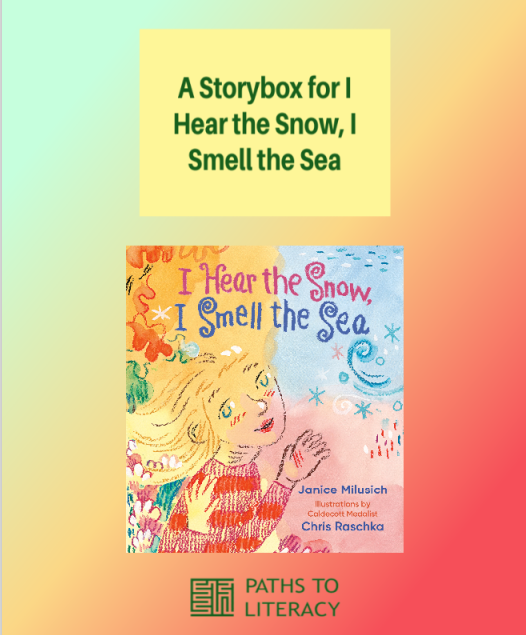
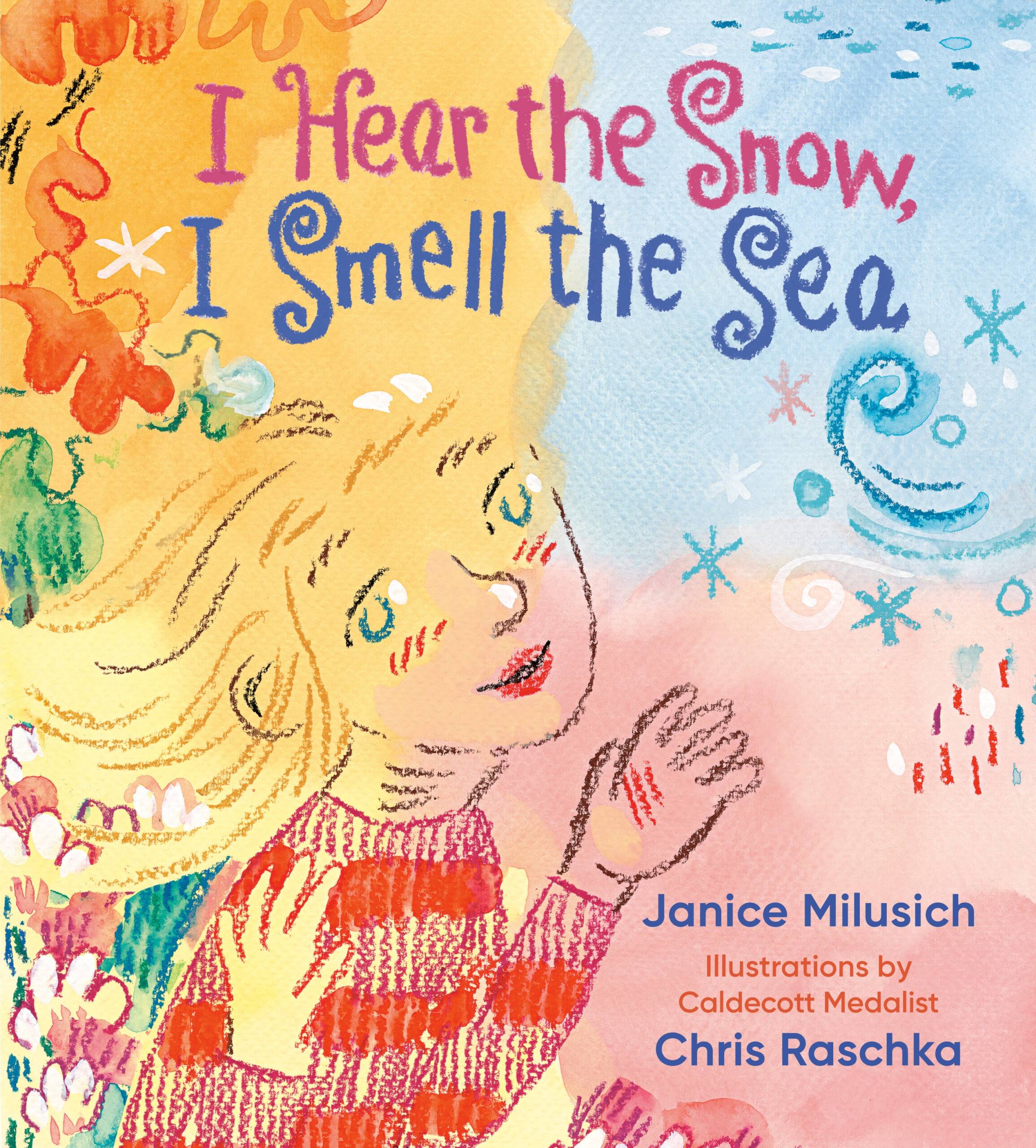
Over the years, I’ve created storyboxes to go with picture books I read to my student to help develop literacy and give access to illustrations. Once my picture book, I Hear the Snow, I Smell the Sea, came out I was excited to make one for it.
In this post, I’ll share how I developed my storybox for I Hear the Snow, I Smell the Sea, plus
ideas for using Neveah’s, the main character’s, sensory explorations to practice compensatory skills with students.
The best sensory seasonal experiences occur outside in nature. If you have the opportunity to build a snow friend in winter with children, and catch snowflakes on your tongue then by all means do so! The same goes for exploring bird calls, the sounds of bees, and the scent and softness of flowers and grass in the spring. There’s so much to explore at the beach, the grainy texture of sunshine-warmed sand, the sound of ocean waves or seagull calls, the feel and temperature of the water and its spray, the scent of sunscreen, sun warmed scents of foods like peaches, and hot dogs. And Autumn’s fallen leaves hold a distinctive smell and create such a satisfying crinkle when stepped on, raked up, or leaped into.
To support and reinforce the concepts and language acquired during those outdoor experiences, I’ve created a list of storybox items that children will enjoy while engaged in the interactive reading of the book and while enacting the seasonal activities.

Winter
Compensatory skill practice- identifying and differentiating sounds and textures
Concept development- identifying shapes and sizes
- Child-sized snow boots and mittens
- Three Styrofoam snowballs (big, medium, small) to mimic the ones used to build a snow friend
- Buttons for eyes, a long carrot nose, and pipe cleaner bent into a smile for the snow friend’s face (Neveah goes inside to find these items to make her snow friend’s face).
- Pompom hat and tasseled scarf (Neveah’s snow friend’s accessories)

Activity extension
-Stack the snowballs in size order on a stacking pole to make their own indoor snow friend complete with facial features and accessories
-Sensory bin containing snow
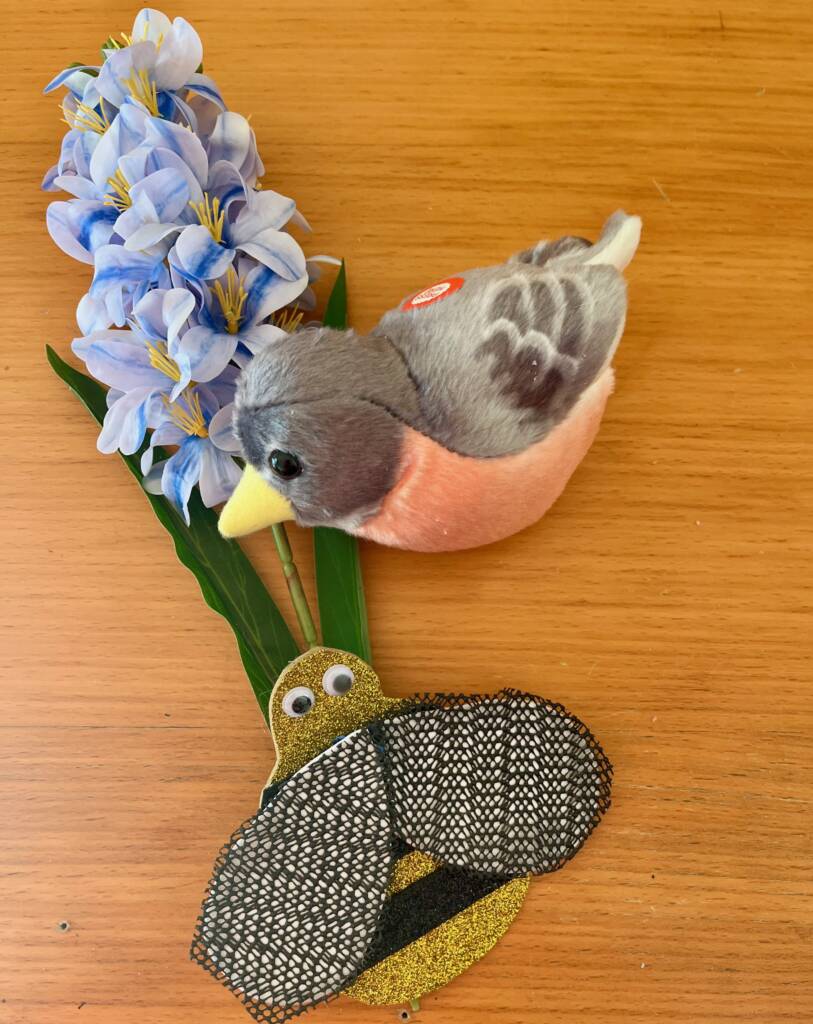
Spring
Compensatory skill practice- identifying and localizing sounds, identifying scent, differentiating textures
- A bumblebee created from sparkly foam and textured mesh, or a replica of a bee (accompanied by a recording of a bumblebee buzzing)
- Fabric hyacinth, or a real hyacinth if it’s spring
- Toy robin with a sound button that plays a robin’s song
Activity extension
-outdoor exploration of how grass bends beneath the weight of a hand or a foot
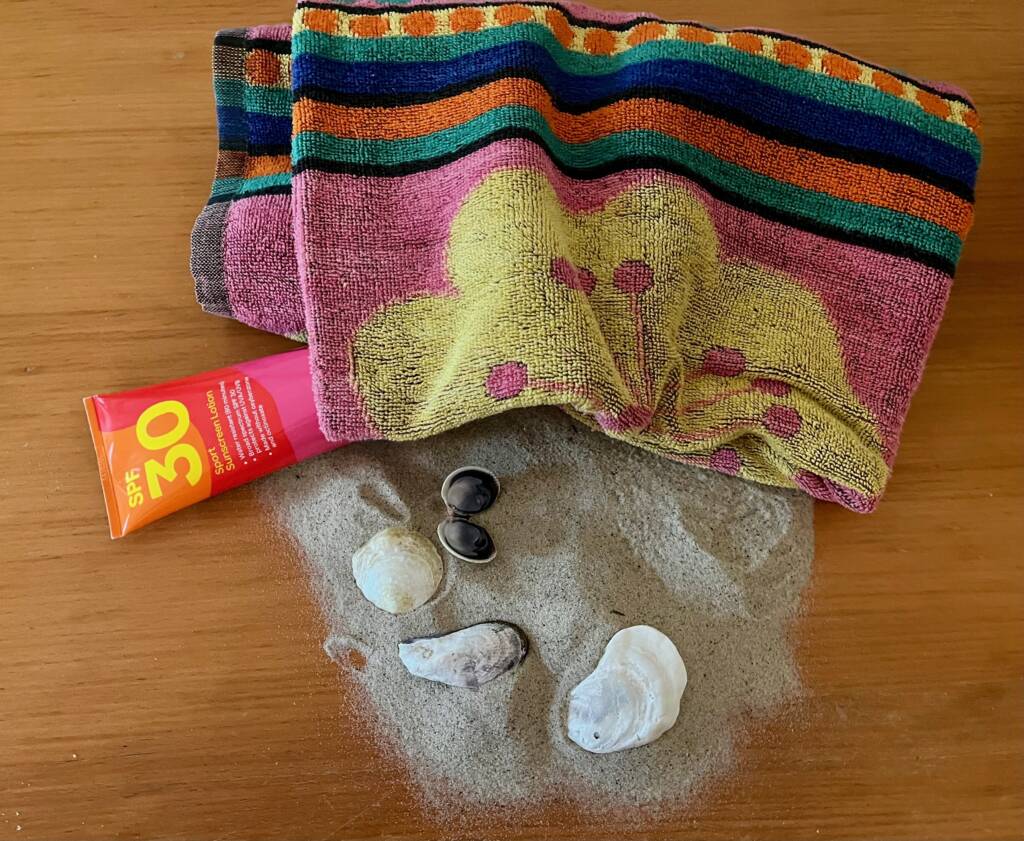
Summer
Compensatory skill practice ideas – identifying textures, scent
- Sand
- Shells
- Sunscreen (and if in season, peaches would be a great addition to a scent differentiation task)
- Beach towel
Activity extension
– sensory sand bin with scoopers

Autumn
Compensatory skill practice- identifying textures, differentiating shapes, identifying and differentiating scents and sounds
- Fallen leaves if it’s autumn, or fabric autumn leaves
- Child-sized rake
- Apple and cinnamon sticks
- Stuffed animal of a squirrel, and or Canadian goose (recorded sound of a squirrel chittering and or recorded sound of migratory geese)
Activity extension
-sensory bin of fall leaves
Additional thoughts
Depending on whether you want to explore one season at a time with the children or the entire cycle of seasons, the items in your storybox can be slimmed down or extended.
Gauge the children’s attention and interest when presenting the storybox items to keep them
engaged.
Allow plenty of time for the children to explore the items tactually and share personal experiences.
Pre-reading
Explore the individual storybox items with children and inquire if they can predict what the story is about, what might happen in the story, or what the main character might do.
Post-reading
Encourage children to sequence the events that occur in the story, or the sequence of the seasonal cycle, and/or to retell the story.
But most importantly, have fun!
Discover more storyboxes