Editor’s note: This article was originally published in September 2016. Visit CVINow for research updates.
Fall is here and schools are opening their doors to students. The fall is an exciting, fresh beginning that I look forward to each year! It is an especially busy for TVIs as we assess children, educate staff, adapt materials and environments and support parents, students and teams.
Here is a fall checklist for CVI (Cortical Visual Impairment) for Teachers of Students with Visual Impairments:
1. Complete CVI Range (Roman-Lantzy 2007) for all students.
All TVIs should solidify your knowledge of CVI, including using the CVI Range.
2. Share CVI Range results with parents.
Parents will benefit from a discussion about the overall concepts of CVI so they fully understand their child’s visual skills and needs after the assessment. With this fuller understanding about CVI, they can more effectively understand their child’s CVI Range score. With this background knowledge, the accommodations, modifications and environmental supports make sense. Parents need this background information to advocate for their child across a lifetime, every year as staff and schools change.
3. Conduct an inservice to the educational team about the overall topic of CVI.
With a firm understanding of the CVI concepts, teams can better understand their students visual functioning and their unique educational needs. The accommodations, modifications and environmental supports have more context and will be more consistently used if fully understood.
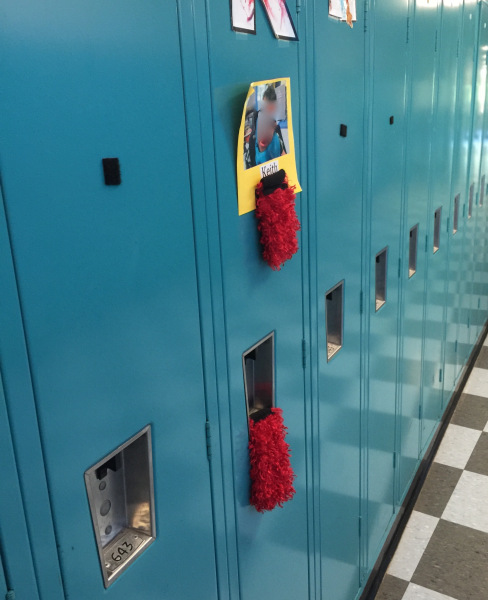
4. Conduct a second inservice to the team about how CVI effects each individual student.
Children, even with the same score on the CVI Range, have unique educational needs based on their own individual assessment results around each of the 10 CVI Characteristics (Roman-Lantzy).
5. When classroom schedules are completed, look across the learning day to ensure the CVI adaptations are in place at all times.
Example: In morning meeting the child is at the correct distance from the learning materials (Distance Characteristic), has visual access to the better visual field (Visual Field Characteristic), has an identified “wait time” (Latency Characteristic), has materials in the most accessible color (Color Characteristic), has the light controlled and used optimally (Light Gazing Characteristic), has the movement distractions removed or movement used to draw visual attention (Movement Characteristic), and has the complexity of the environment matched to the assessed need (Complexity Characteristic).
6. Create a “cheat sheet” to hang in learning areas.
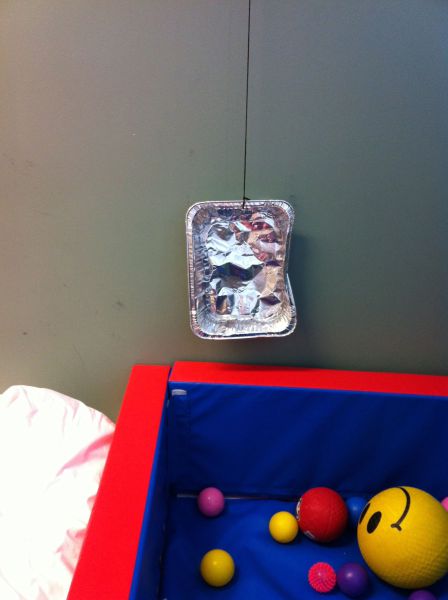 This will allow staff to quickly refer to the recommendations for best visual field, best distance, best best color, and other CVI recommendations around assessed needs.
7. Check that the classroom has areas for learning that are adapted to assessed CVI needs.
If the child requires a non-complex, quiet separate learning area to preview materials or to learn skills this needs to be an identified and provided area for learning.
For more tips and resources on working with children with CVI, visit the CVI Teacher website!