As an itinerant teacher who goes into many different classes with many different age groups, my car is filled with a variety of resources for my students with visual impairments. I see students from K to 12, literally. Students may have complex needs (including deafblind) with specialized classrooms all the way up to AP (Advanced Placement) classes.
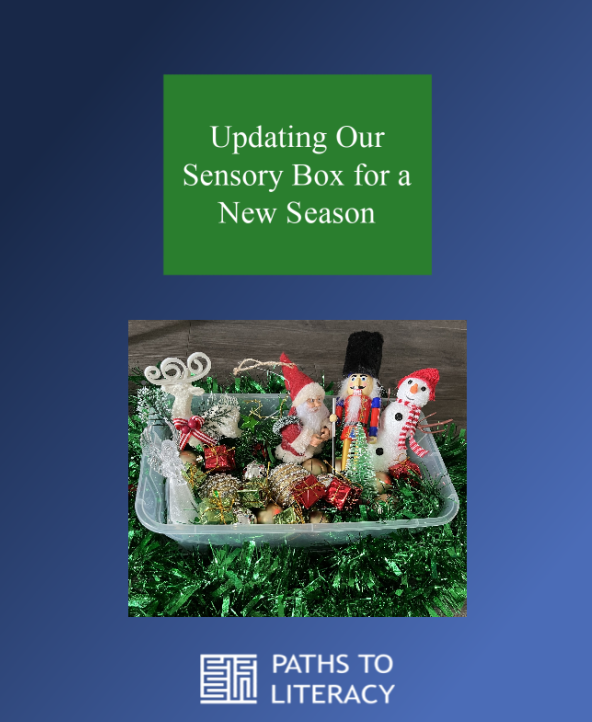
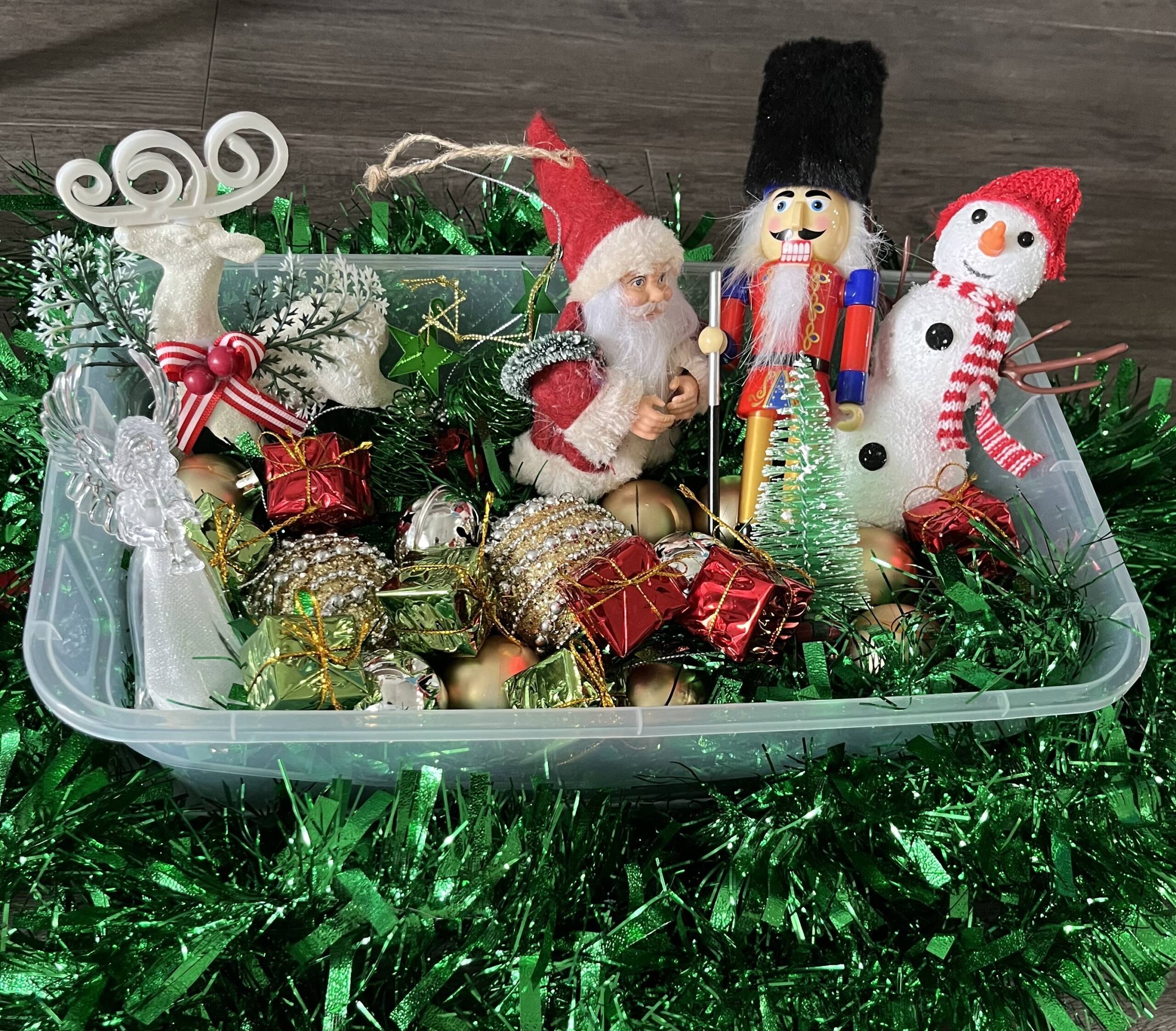
This year I wanted to have a sensory box for each holiday or season to have an activity that could be used in a variety of settings and needs. I like to not only think about my vision goals for my students but incorporate activities that also meet their academic levels.
For example: If a student is learning their sight words in class and I am working on a left to right scanning approach, I use the sight words they have mastered and also are currently learning. This way I can consult with the teacher to tell them the best way to present the words.
Keeping this in mind, I have found several of my middle school students with complex needs enjoy these sensory boxes not just for exploring and talking about these objects, but using them as a lesson in math or creative writing.
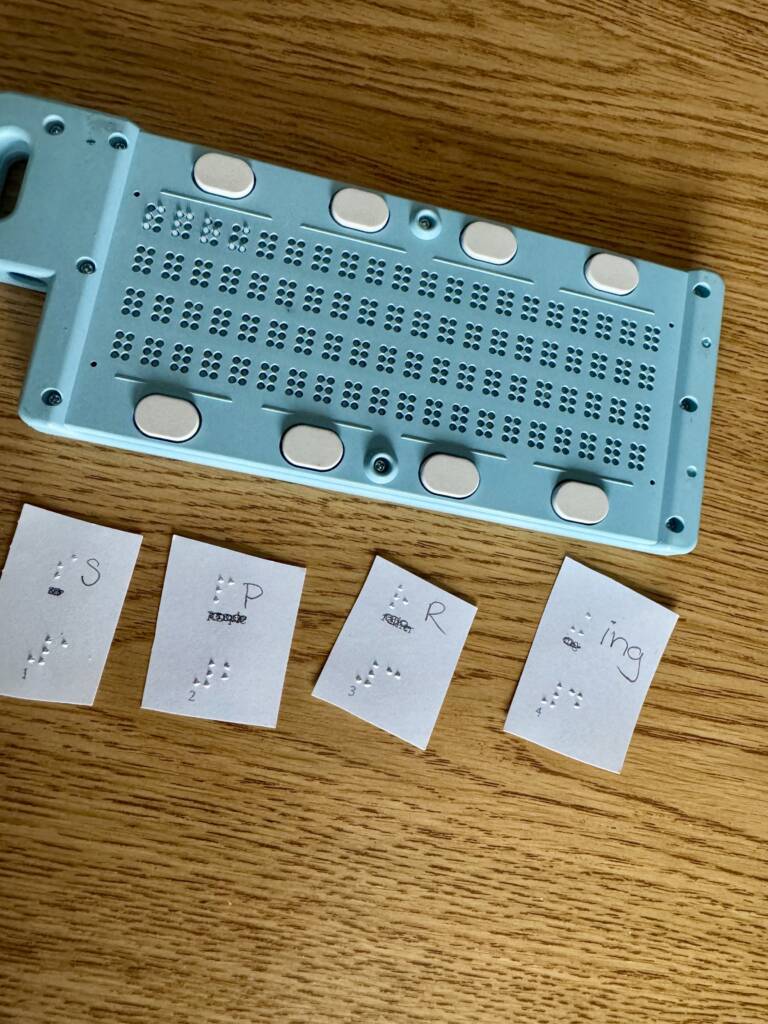
We often put the items into category groups, compare and contrast using more and less vocabulary, we add or subtract using these items. We use other technology to really explore the items, including a lightbox and VisioBook. A graph can also be created to organize the information regarding the number of each item.
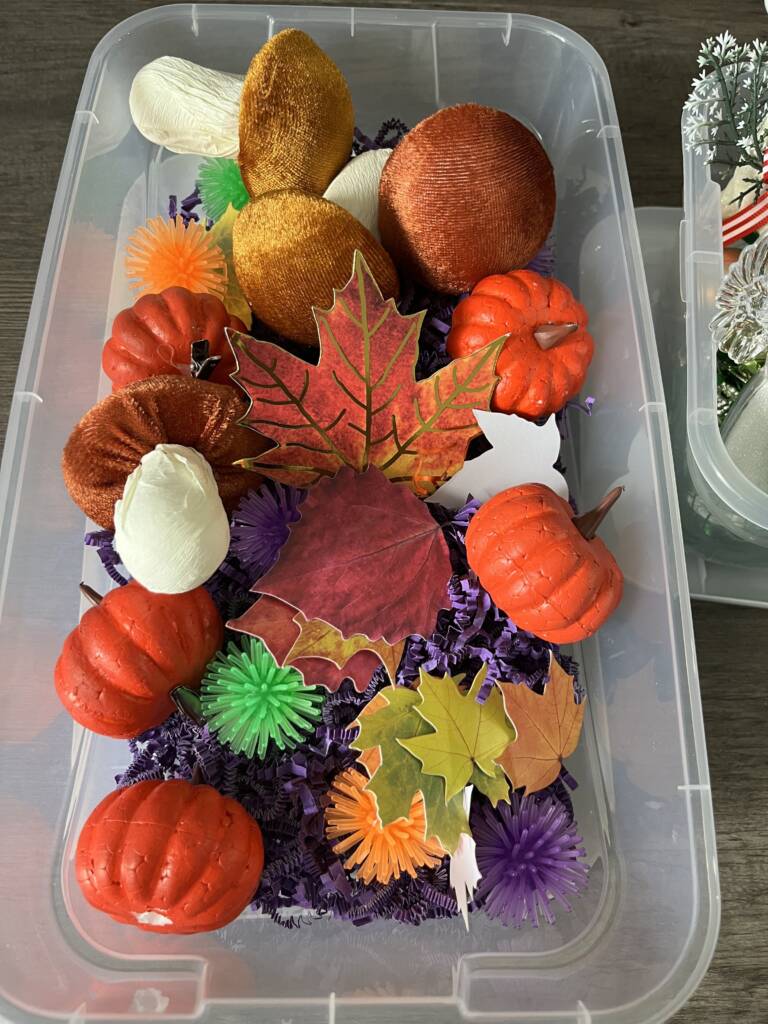
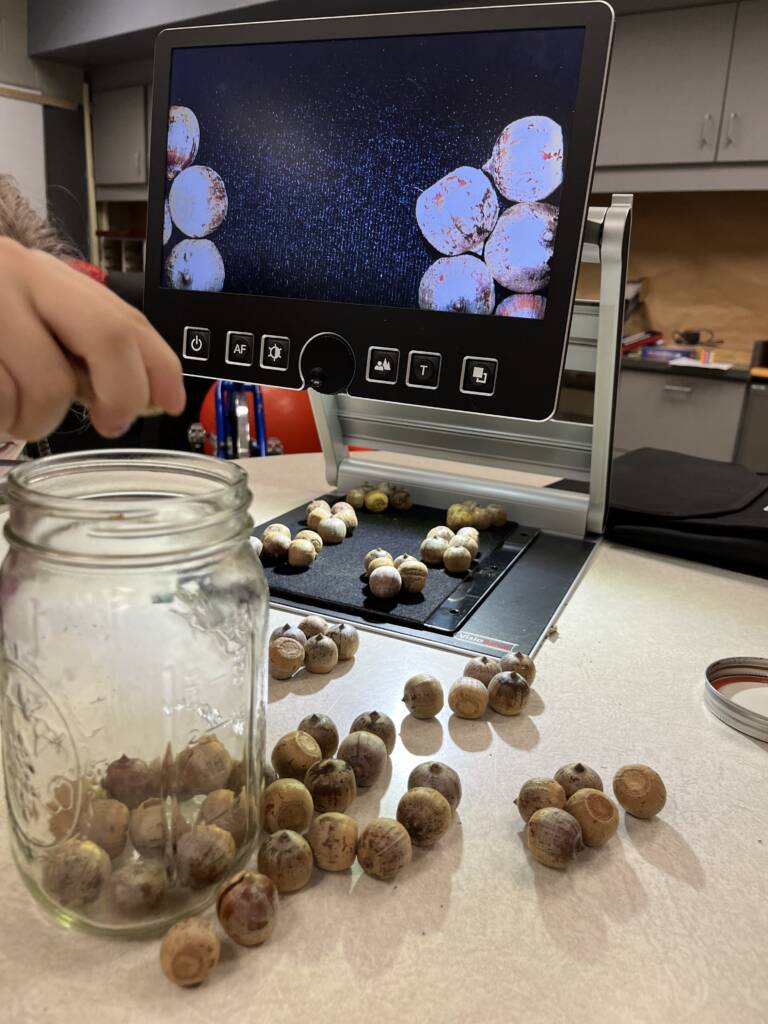
I make a few of the same sensory boxes and leave them in the classroom for the teacher and all the students to enjoy and expand on the lessons. After a few weeks the boxes are updated. Since we are wrapping up autumn and Thanksgiving, I am switching it to Christmas and then winter. Most of the items are from materials I already have and also from a trip to the Dollar Tree. I even had a student help me by collecting acorns with her mom for the fall items. We loved putting them in groups of 5 to practice skip counting.
Extending the activity
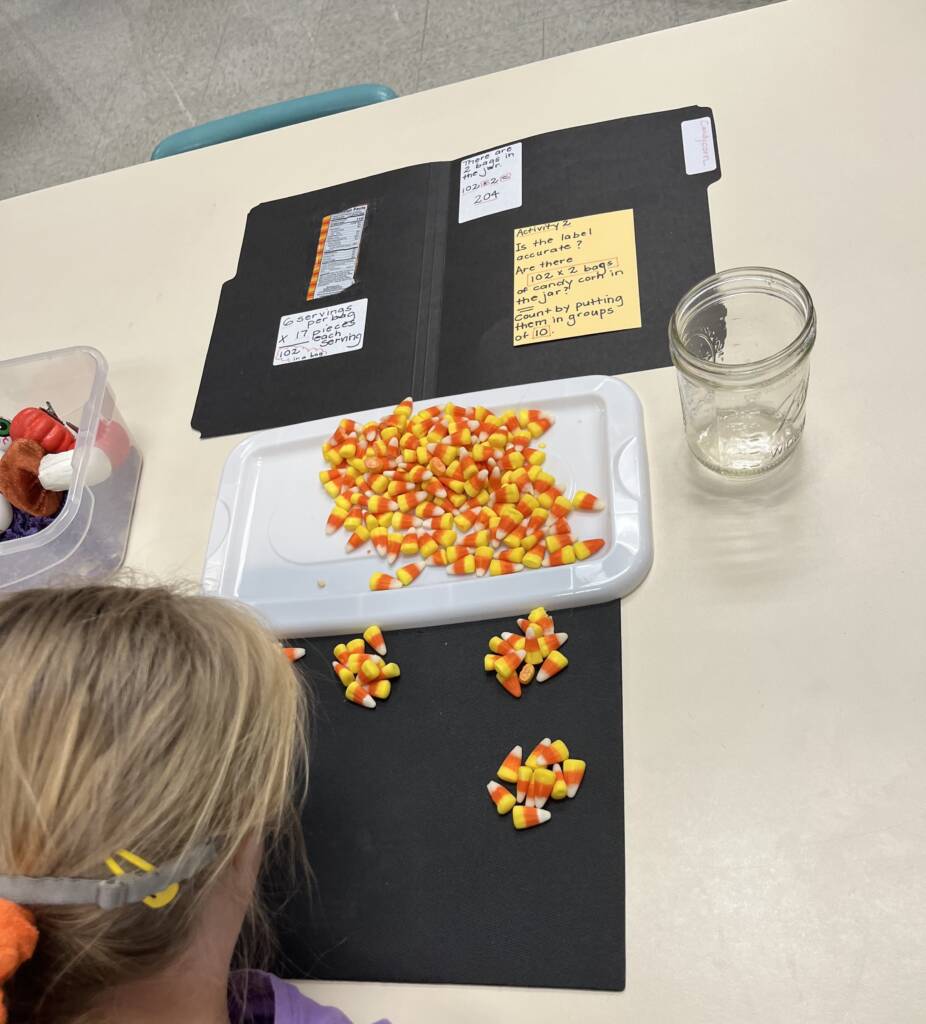
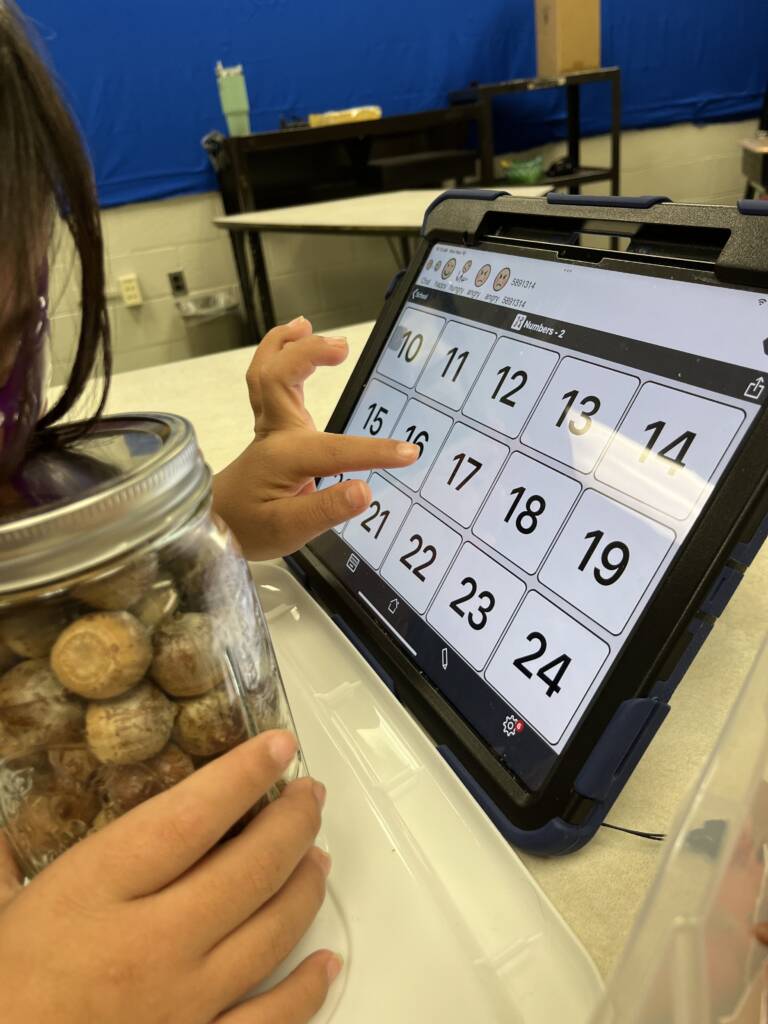
Along with the sensory boxes I started to make a “guess how many” jar with themed items in the jar. So far I have used candy corn for Halloween, acorns for autumn, and pompom balls and bells in Christmas colors. The students can take a guess (I sometimes give them a range), dump out the items, put them in groups (groups of 2, 5, etc. for skip counting) and then see how close they came in their estimate. We did this as a group in one class that has two of my students in the class. I created a file folder to guide the classroom staff on ways to use the jar for extension activities.
What sensory boxes have you come up with and what goals do you attach to it? How about your older students? Share your ideas!
Keep reading about sensory boxes