Please note: This article was published on August 4th, 2014. It is still a valuable resource but for the latest research on CVI please visit: CVINow.
A group of teachers in the Deafblind Program at Perkins School for the Blind presented an hour-long webinar on various aspects of literacy for children with deafblindness: Literacy Adaptations for Students Who Are Deafblind with Christa Hulburt, Ira Padhye, Megan Connaughton, and Marguerite Bilms.
Cortical Vision Impairment & Adaptations For Literacy
by Marguerite Bilms, M.Ed
CVI Overview
Neurological condition where vision impairment is caused by abnormalities in the brain and visual processing.
Coexisting ocular conditions may be present
Where Do We Start?
Identify
Assessment
Intervention
Steps of identifying assessing and intervening with a student with CVI
CVI Range: Overview
1-2: Student functions with minimal visual response.
3-4: Student functions with more consistent visual response.
5-6: Student uses vision for functional tasks.
7-8: Student demonstrates visual curiosity.
9-10: Student spontaneously uses vision for most functional activities.
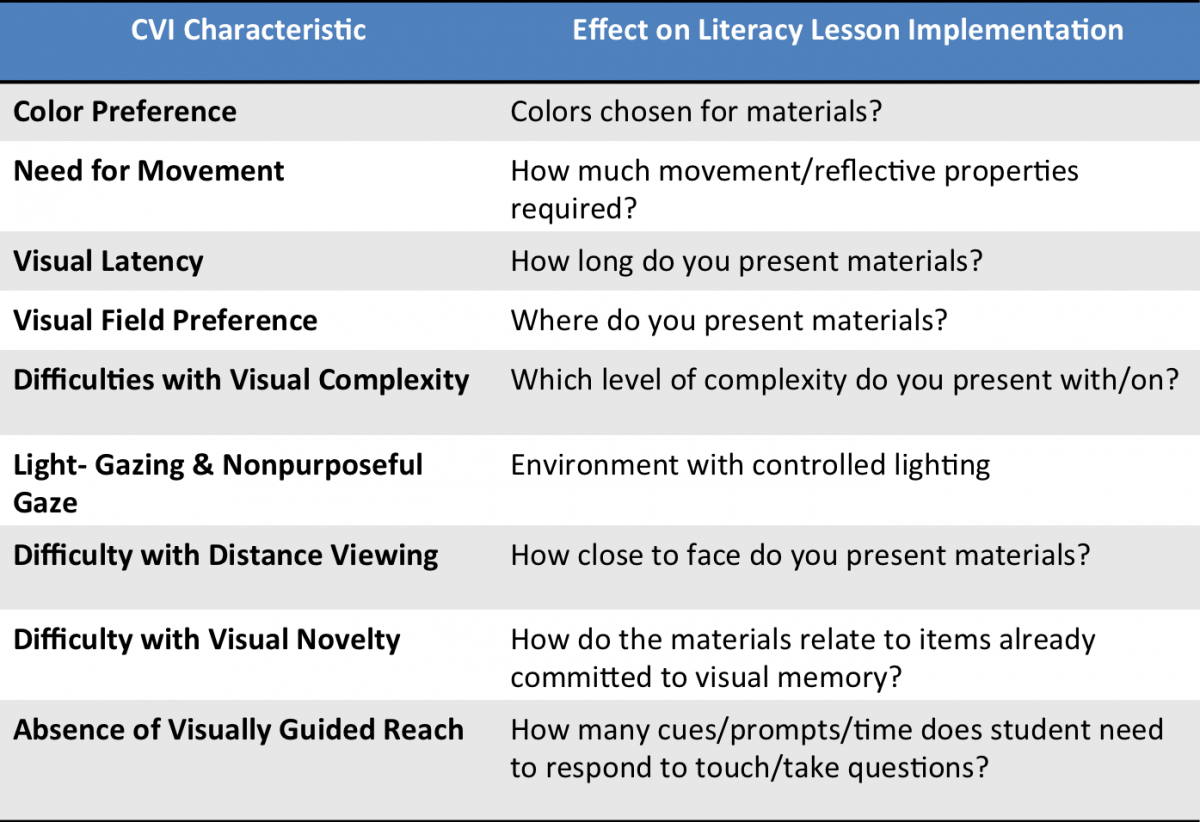
Characteristics of CVI & Impact on Literacy
Classroom Environments – Accommodating a Learner with CVI
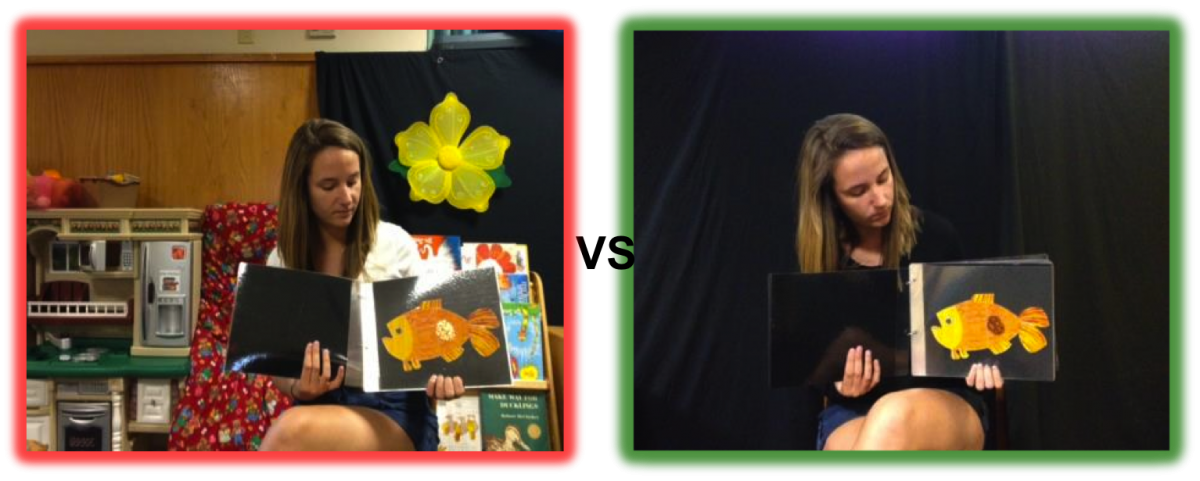
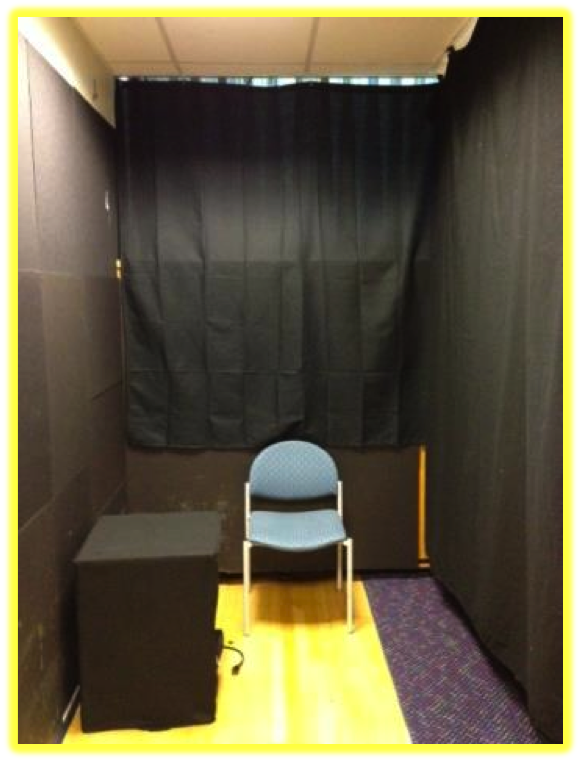
Reducing background clutter with a solid black curtain behind the teacher who is holding a book
Environmental Accommodations
Controlled Lighting
Controlled Noise
Low Complexity
Be conscious of glare on materials
Materials
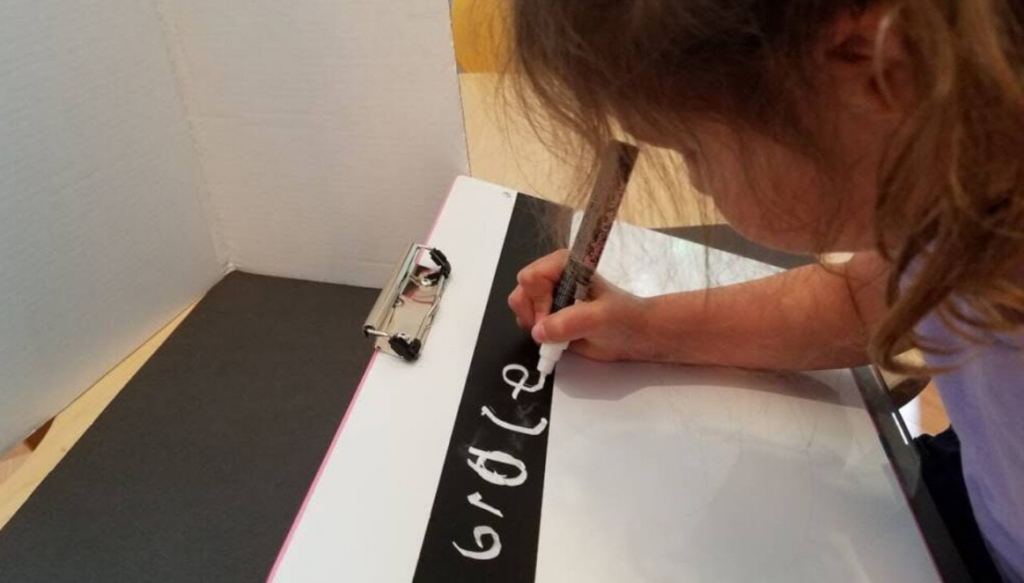
Black shower curtains
Black curtains
Black foam board
Velcro
Educator Accomodations
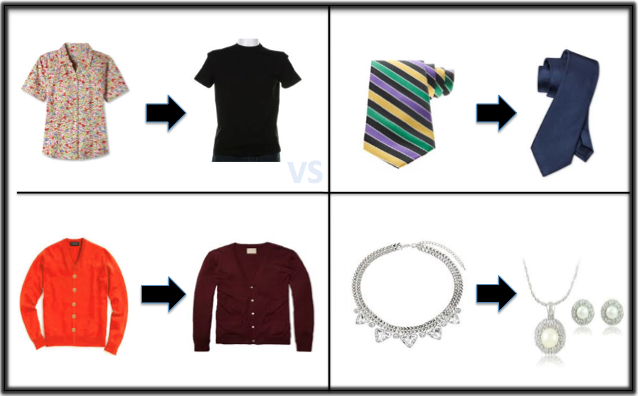
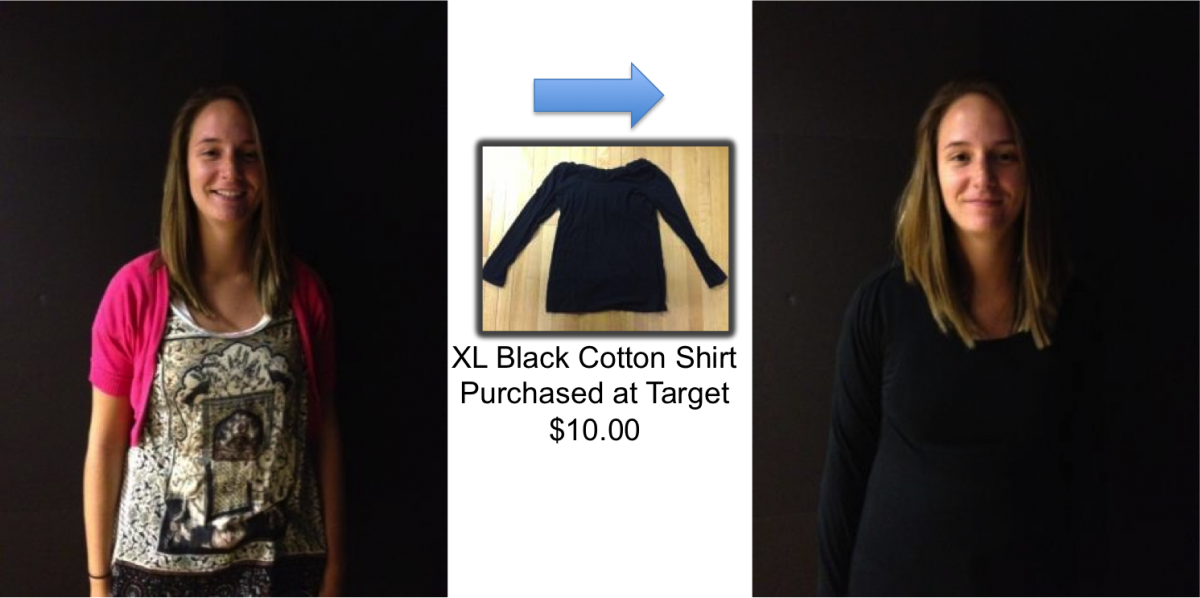
Be aware of what you wear
You can still be stylish!
Adapting Books
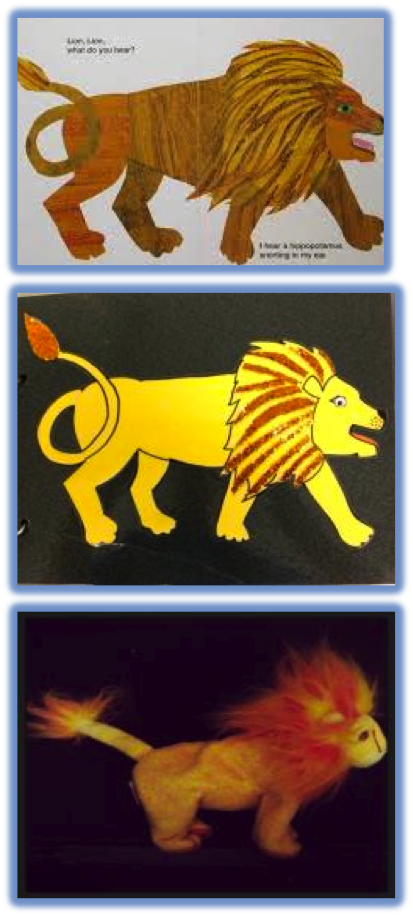
Main Concept of Page (lion)
Scan, Cut, Internet, Draw (drawn)
Simplify (removal of line shading on lion)
Low Complexity (yellow on black)
High Contrast (bright paper on black background)
Focus on Consistent Vocabulary (“lion”, “yellow”, “roar”: combinded or isolated)
Create a Story Box (add concrete objects and / or tactile components)
Adapting Lion book
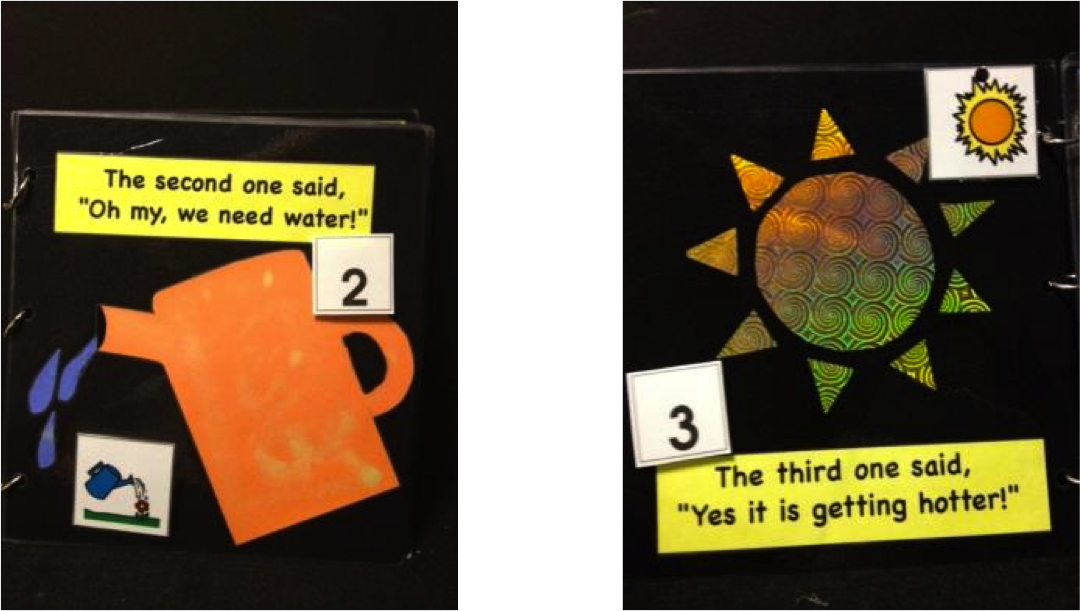
Additional Examples of Adapted Books
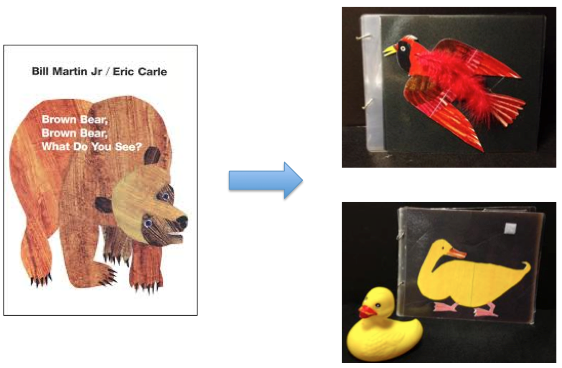
Adapting Brown Bear
Adapting a page about ducks
Adapting book about spring flowers
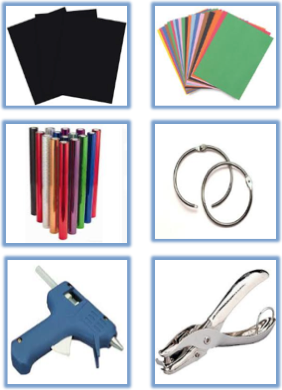
Some Suggested Materials
Construction Paper (Black for background, color for pictures)
Mylar (shiny, reflective) (Gift bags, wrapping paper etc.)
Lamination Sheets or Poster Board (Be aware of glare)