Resource
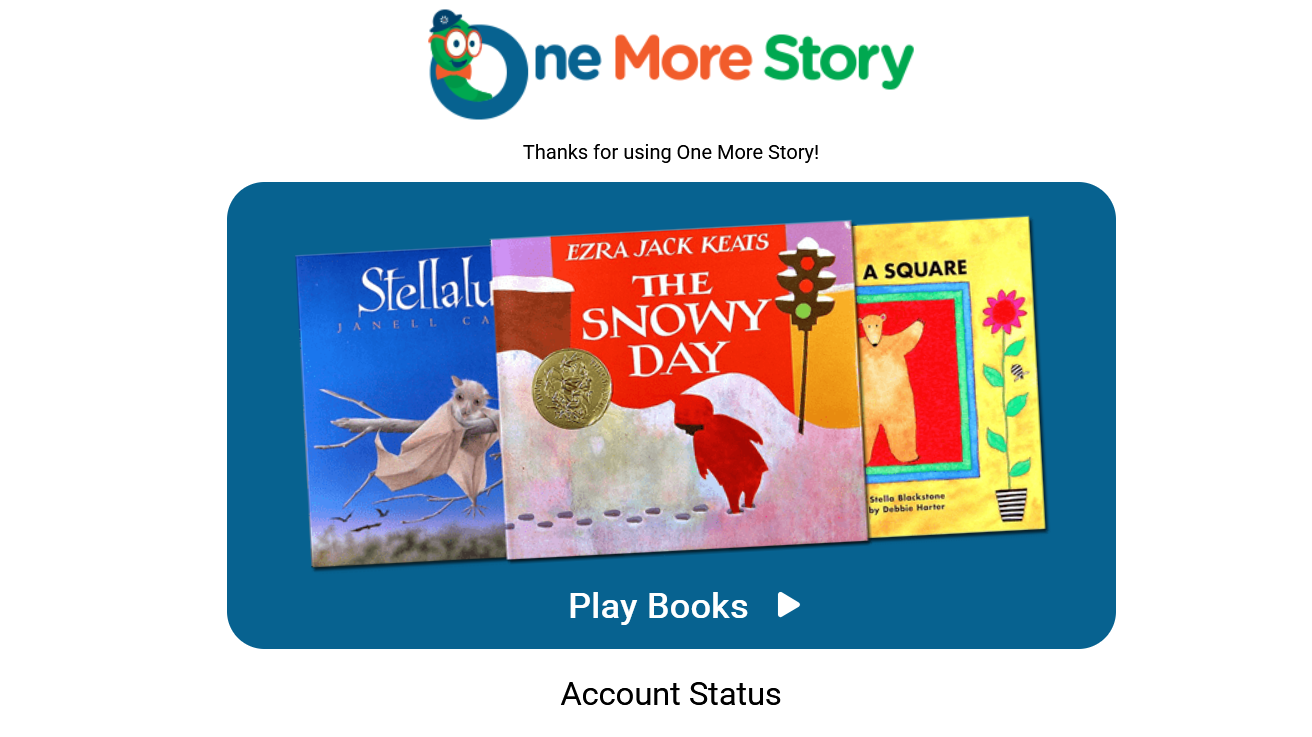
One More Story, An Audio Book Platform
One More Story is another option for audio books for students with visual impairments.
One More Story is a highly-rated digital read-along library and app designed for preschool and early-elementary children. It combines high-quality picture book illustrations with professional narrators and original music. It is an educational tool for students learning how to read and may be an option for some students with visual impairments.
Key Features and Experience
- Two Modes: Offers “Read Along” (professionally narrated with word-by-word highlighting and music) and “I Can Read It” (independent reading with no narration).
- High Production Value: Features over 30 professional voice actors and original music composed by former Sesame Street music director Robby Merkin.
- Vocabulary Tool: Many books include clickable words that define the term and use it in a sentence, which is great for comprehension.
- Parent Portal: Allows parents and educators to track a child’s reading progress and history.
One More Story is highly accessible to students with low vision, dyslexia, or print disabilities, but it is not fully accessible to students who are completely blind. NOTE: Because the platform is built around visual picture books, its design relies on a student being able to see the illustrations.
Accessibility for low vision students
For students with low vision, the platform serves as a possible resource. It is officially recognized and recommended by several state education departments and disability advocacy groups, such as the Connecticut State State Library’s Accessible Books guide.
- High Contrast and Zoom: The digital, backlit format allows students with low vision to see illustrations more clearly than they might in a standard print book.
- Word-by-Word Highlighting: In “Read Along” mode, every word highlights individually as the narrator speaks. This helps low-vision students follow the tracking layout from left to right.
Limitations for blind students
The application falls short for students who require full screen-reading software or braille displays:
- No Image Descriptions: The core value of the app is its synchronization of text with actual picture book illustrations. The app does not provide descriptive audio (Alt Text) for these images, meaning blind students miss out on the visual storytelling context.
- Menu Navigation Barriers: The bookshelf layout and navigation toggles are highly visual. While a teacher or parent can set up a book for a student, a completely blind child cannot independently browse the app using native device screen readers like Apple VoiceOver.
Alternatives for blind students
Auditory Access Device by Carmen Willings
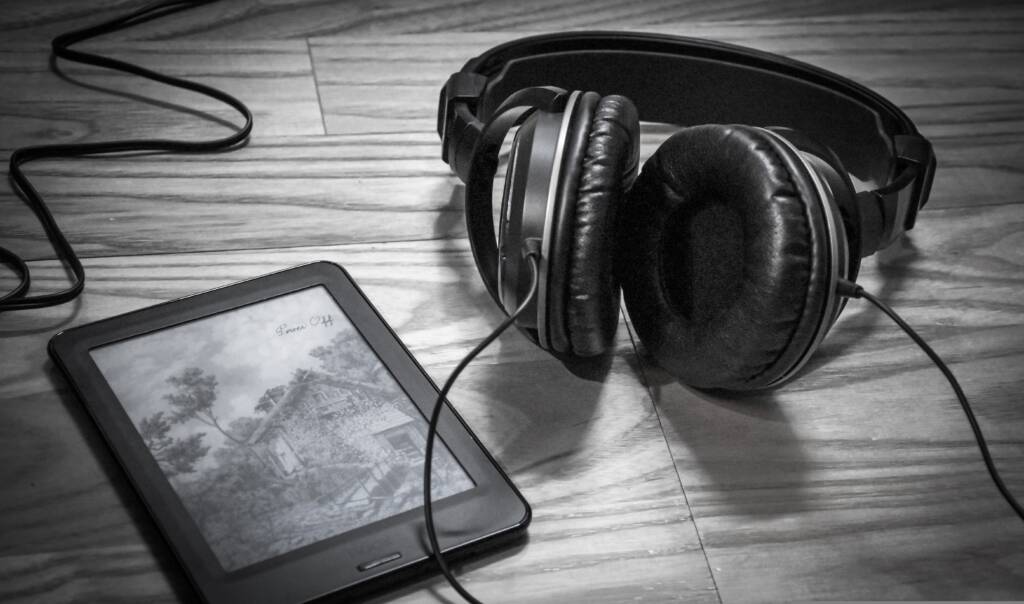
Auditory devices are essential tools that support access to printed and digital information for students who are blind or have visual impairments. However, listening is not a replacement for literacy. Auditory access should supplement, not substitute, direct instruction in braille or print, allowing each student to develop their full literacy potential based on cognitive ability.
If you need fully accessible reading programs for blind or severely visually impaired students, these platforms are highly recommended:
- Bookshare: The world’s largest digital library for individuals with print disabilities. It provides text in Braille Ready Format (BRF) and is completely free for qualifying U.S. students.
- Learning Ally: By equipping early and struggling readers with human-read textbooks, trade books, and popular fiction, we help every student access information, acquire knowledge, and independently reach their full potential.
- BARD: Braille and Audio Reading Download: A national library service for the blind and print disabled downloadable books and magazines
- Story Boxes: For younger blind pre-readers, educators frequently use a storybox method. This involves pairing standard audio or braille text with real-world, tactile objects so the child can explore the story through touch.
As with all students, assess their individual needs before determining what tools would be best in their literacy journey.
Please note: Paths to Literacy does not sell resources or materials. Information about third party providers, products, and services does not constitute an endorsement or recommendation by Perkins School for the Blind. It is the user’s responsibility to verify and investigate providers, products, and services.