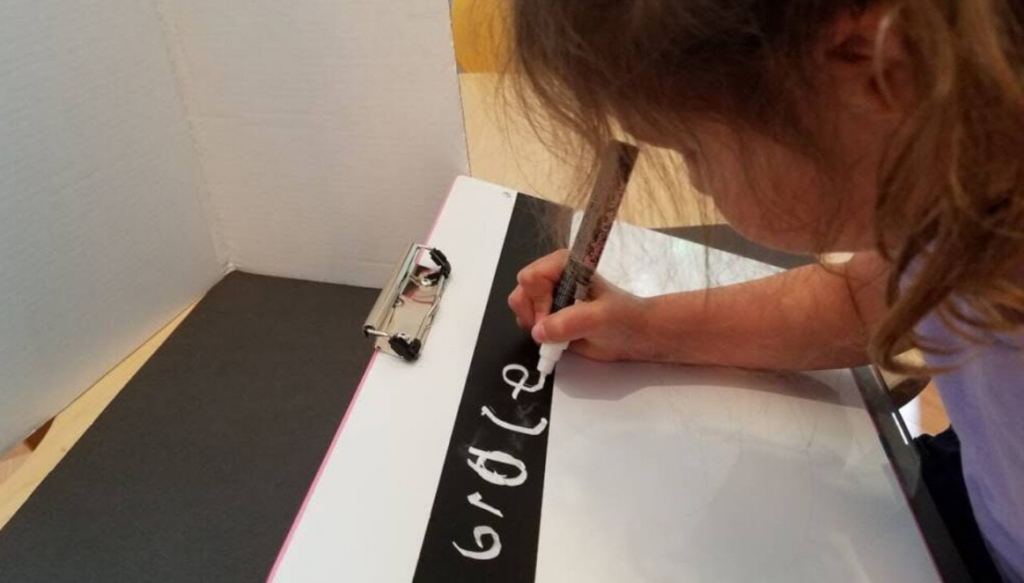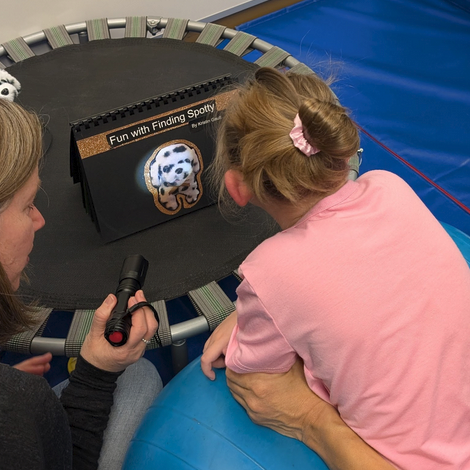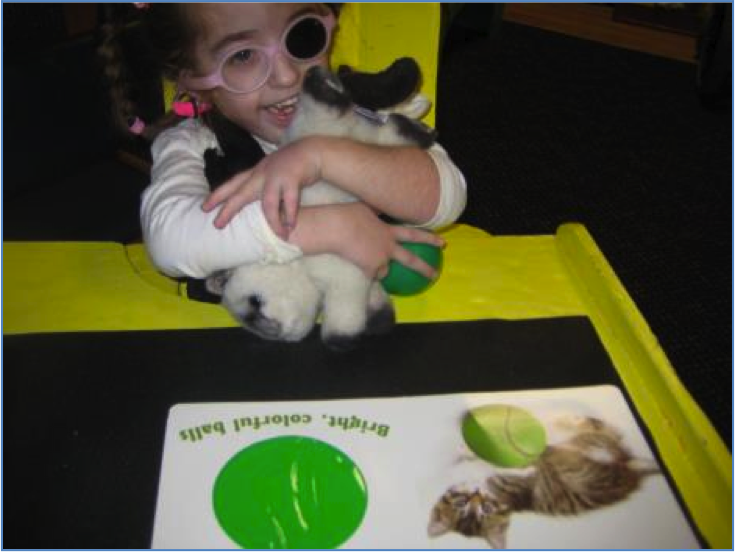
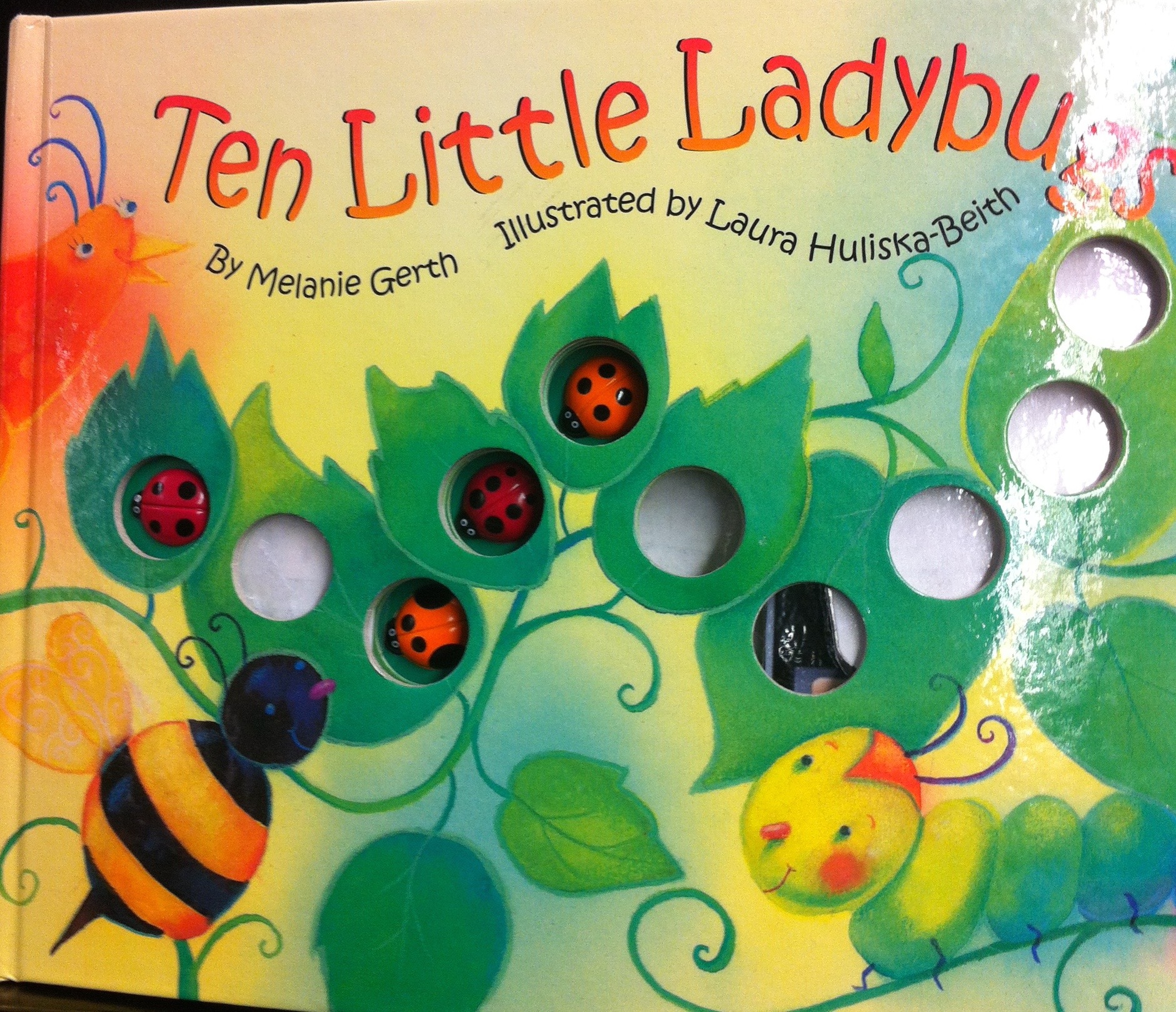
We all pick up books based on our preferences for topics. Why should our children with CVI be any different? Parents have a wealth of information about what their children’s passions. These are the favorite and visually familiar things we should build our literacy materials around for our children.
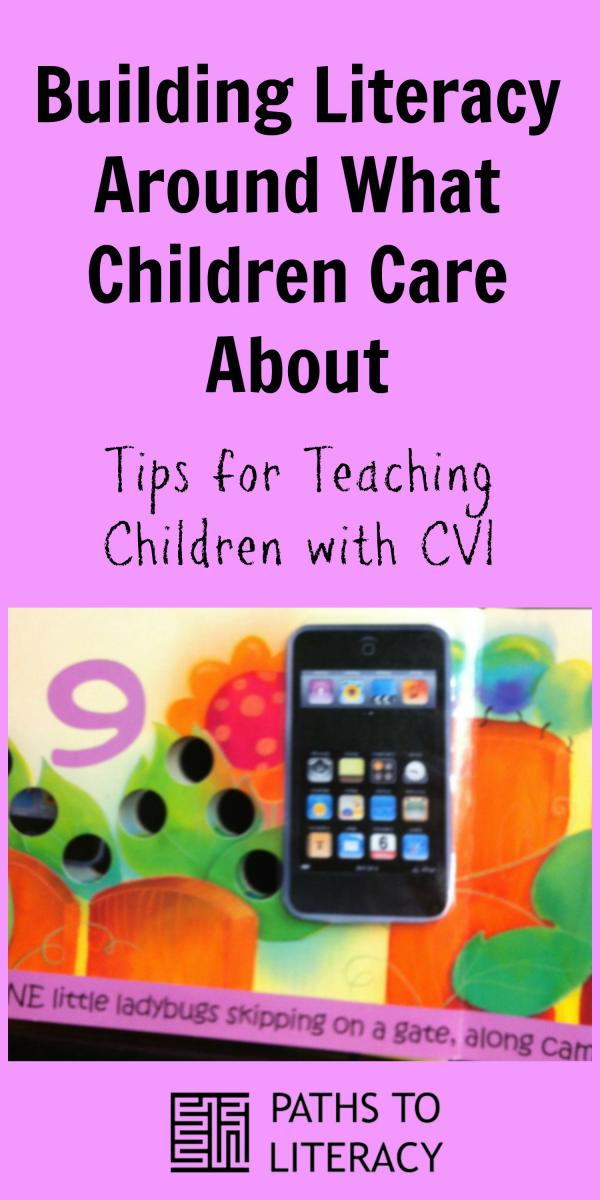
My student is fascinated by cell phones. I grabbed a Google image of a cell phone (actual size) and chose a fairly complex book. I applied Velcro to the back of the cell phone image and to multiple places on each page.
Looking for Image of Preferred Item Against Complex Background
The book became The Ten Ladybugs and the Cell Phone.
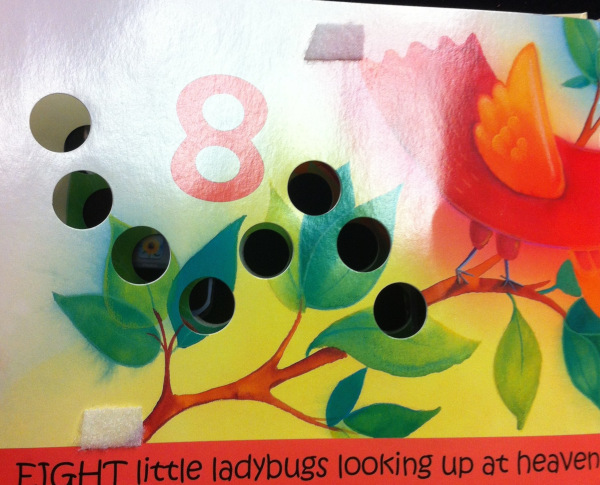
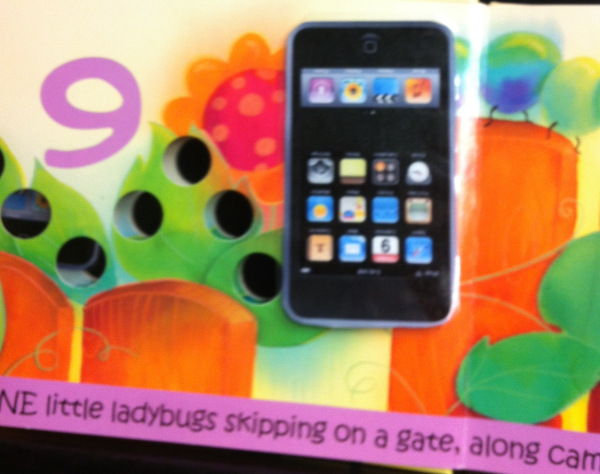
Because my student really likes this item and had a firm visual memory for this item, his success was almost immediate. Once he could locate the cell phone picture, he could hand it to me and play with a cell phone for a minute.
With this success, I can go several places with this skill. I can increase the complexity of the background and/or decrease the size so the cell phone becomes more symbolic (not the exact real cell phone size).
This makes learning interesting for my student and I can work toward my goals. We are both engaged and happy to work together! We move to increase and expand my student’s literacy interests based on their preferences not mine!