
Where to start: less is more
If you are a teacher who has to organize a classroom, start with the basics:
- What is needed in the class? Take stock of what is in the class, what furniture is there, and how the class will be used by the students.
- How can I set it up for interaction and engagement? Think about how the students will be learning in class. Will they be learning all together, in groups, individually, or all of the above.
- How can students move in the classroom? Students who have a visual impairment need special considerations for safe travel and a consultation with a TVI and an O&M instructor (orientation and mobility) should be set up.
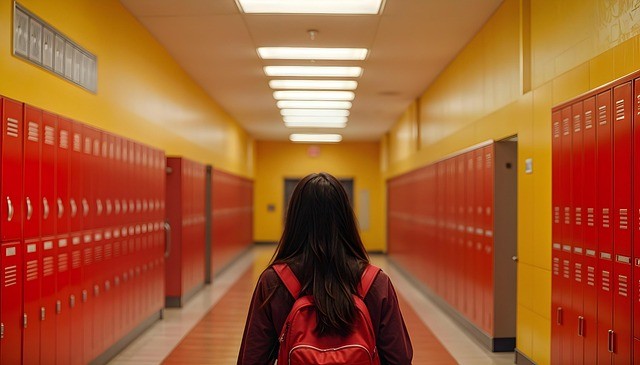
- How is the lighting, textures, and color? Lighting is an aspect that can play a huge factor in the student’s ability to access learning. Reference “Classroom Adaptations for Students with Low Vision” for a better introduction and consult with the TVI about how important these elements are in the class. Use textures throughout the room for more interest. And no, you don’t have to use black for everything; a dark, solid color can be effective for backgrounds.
- Is this a place my students would feel calm, included, and ready to learn? Look at the classroom from their perspective and ask this question before finishing the room.
Classroom Decorating for Visual and Sensory Needs: Classroom decorating has a major influence on students and can be a game changer for students who have visual and sensory needs. Find out how to make a classroom environment the best it can be.
Declutter, declutter, declutter
Clutter is a huge factor in classrooms. Organization and keeping it simple is best. Most classrooms are inherited from another teacher and could include a host of old and unnecessary items. REMOVE them!
- Make a map of the layout you want to create and the spaces you are looking for, while ensuring they are easy to navigate.
- Put the large pieces in place first such as shelves, desks, and file cabinets.
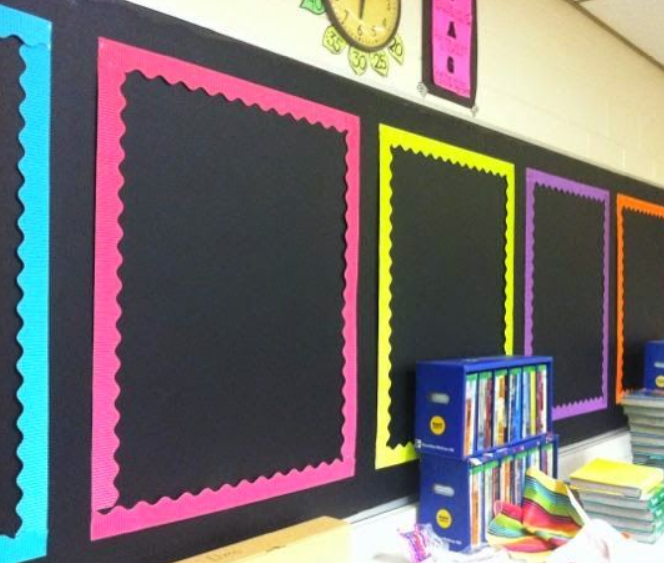
- Keep the walls and ceilings free of posters and decorations.
- Highlight areas, doorways, and shelf sections with a solid bold color for an easier visual location.
- Do not use borders that have patterns and are complicated.

Less clutter means less upkeep
Less clutter in a classroom can improve focus, reduce stress, and boost academic performance using a universal design approach. From there specific adaptations beyond that can take place that may include assistive technology, large print, braille, based on individual needs.
For Students
- Better Focus: Fewer visual distractions help children pay attention to the lesson and stay on task.
- Calmer Behavior: A tidy, orderly room lowers anxiety and sensory overload, leading to fewer behavioral issues.
- Higher Independence: When supplies and materials have clear, organized places, students can find and put away items on their own.
For Teachers
- Lower Stress: A clean and organized workspace creates a more relaxed environment for teaching and planning.
- Less Prep Time: Teachers spend less time searching for lost items, sorting through piles, and managing physical mess.

Send us your ideas that you designed for optimal classroom decorating and learning spaces for your students with visual impairments including complex needs. Take pictures and include why you designed it for your specific student needs in mind so we can continue the conversation.
Don’t have your own classroom? Send us your tips for being an itinerant teacher of the visually impaired. We would all appreciate managing tips for all the materials we have in our mobile classroom (ok, it’s called a car!). TVIs often have to gently let classroom teachers know optimal settings spaces that support students’ SDIs (specially designed instruction). This should be a positive interaction on how to set up a classroom for success.
Send your ideas to: Lisha.Yochimowitz@perkins.org