
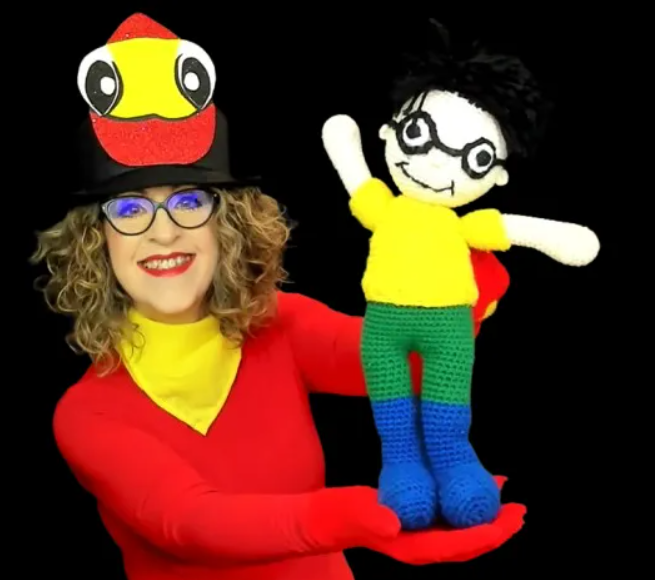
by: Rachel F. Pilling and Gwyneth McCormack
There is growing recognition of the visual learning needs of children with profound and multiple learning disabilities (PMLD). Dedicated training in visual impairment is lacking in teaching curricula. A literacy program designed for PMLD children has been demonstrated to show benefits for this group of learners. The aim of this study was to understand the impact of the program on teachers’ confidence, understanding and practice when delivering visual learning for children with complex needs. An interview based qualitative study was undertaken with educators who have experience with the literacy program. Data was analyzed using thematic analysis. The results demonstrated that teachers themselves experience joy at the impact they are observing in pupils; they describe a deeper understanding of the visual needs of individuals and how to adapt the environment to extend this beyond the duration of the show. Program users also express an improvement in confidence in how to produce accessible and inclusive materials and the courage to share this with peers to widen the knowledge base. An accessible literacy program can demonstrate broader benefits beyond being a teaching tool—it may model inclusive techniques that educators adopt beyond the show. We have demonstrated how it fosters inclusive, affective engagement and promotes professional agency, inclusive pedagogy and observational learning for teachers. For professionals working with students with complex needs, feeling acknowledged and resourced matters.
Key points
- The show is more than a teaching tool, it models inclusive techniques that educators adopt beyond the show.
- Teachers describe making significant adaptations to the physical learning environment as a result of the program, reflecting a deeper understanding of how the visual environment impacts children with visual impairments.
- The show offers opportunities to observe and understand each learner’s unique ways of engaging.
- For professionals working with students with complex needs, feeling acknowledged and resourced matters. The show serves as a source of morale, ideas and validation.
“Marvin’s Story Time Show enables teachers to observe the impact of these simple adaptations on a child’s visual attention and responses and learn the individual requirements of each learner. The show is more than a teaching tool, it fosters emotional resonance between teacher, students and content. Joy becomes both the means and the outcome of the learning experience. The story time show does not just entertain, it models inclusive techniques that educators adopt beyond the show.
These changes improve engagement, especially for pupils with VI and PMLD. The influence of the show extends well beyond its runtime, fostering inclusive pedagogy and reflection on how to better support each learner’s unique ways of engaging. For professionals working with students with complex needs, feeling acknowledged and resourced matters. The show serves as a source of morale, ideas and validation.”