
Amusement parks and horticulture may seem like opposites-one is fast-paced, thrilling and exciting and the other is calm and nurturing. But look a little closer, and you’ll see that both are rooted in imagination, sensory engagement, and joy.
At the Maryland School for the Blind, I explored this intersection through our ESY (extended school year) Miniature Carnival in the Horticulture Room, an inclusive and sensory rich experience designed especially for blind and visually impaired students.
Horticulture in our everyday world
1. Theming & landscaping
Amusement parks use horticulture to create immersive environments—lush jungles, magical flower tunnels, and topiaries shaped like beloved characters (think EPCOT’s Flower & Garden Festival at Disney). Plants help tell stories and set the mood, just like in our Horticulture Room.
2. Sensory engagement
Like gardens, amusement parks delight all the senses.
- Touch: moss walls, velvety petals
- Smell: blooming flowers or popcorn in the air
- Sound: rustling leaves or carnival music
- Taste: theme park snacks or garden-grown treats
- Sight: vibrant colors or thrilling visuals
3. Learning through fun
From butterfly gardens to “edutainment” rides, amusement parks sneak in science. They use hands-on activities to teach ecosystems, pollination, and more.
4. Horticulture-inspired activities
In Disney World in Florida, they brought the park to life with creative games like:
- “Plant Roller Coaster” – a marble run simulating seed travel
- “Garden Carnival” – stations like Ring Toss, Leaf Texture Match, or Scent Bingo
- “Seed Drop Game” – mimicking a parachute ride with seed pods
Miniature carnival in the horticulture room
A sensory celebration of amusement parks
Purpose:
My goal was to create a space where all students could:
✔ Engage multiple senses
✔ Participate independently
✔ Learn through joy and exploration
✔ Supports fine motor control
✔ Introduces the concept of gravity and movement
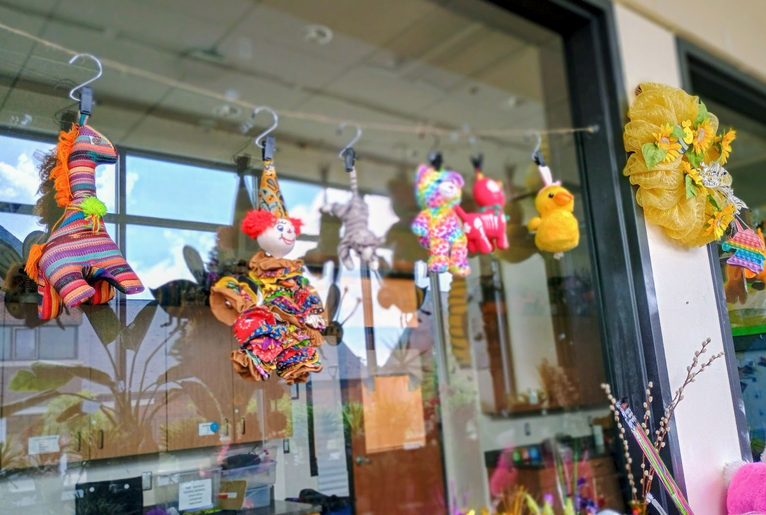
Featured sensory stations
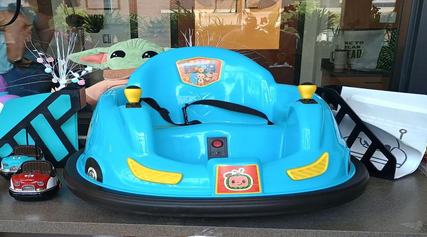
Bumper cars
Students explored tactile models with lights. Two real bumper cars were purchased for students to actually ride on for the thrill.
Fun fact: The first bumper cars, called Dodgems, were invented in the 1920s!
Roller coaster toy (bead maze)
A twisting, turning toy that mimics real coaster motion.
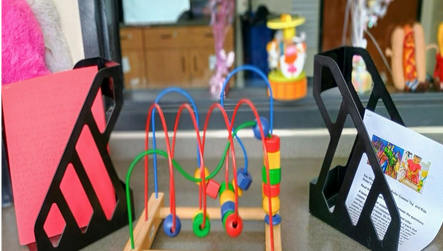
Fun fact: Both the bead toy and the real coasters engage our sense of movement and anticipation—but with the toy, you’re in control, and with a real roller coaster, you just hold on and enjoy the ride!
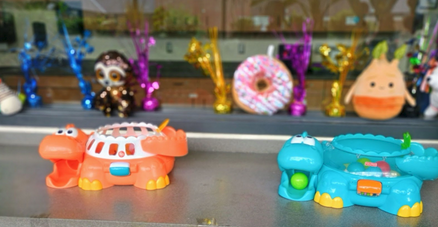
Poppity pop dino game
Players listened for the sound balls to pop out and used only touch and hearing to win a prize.
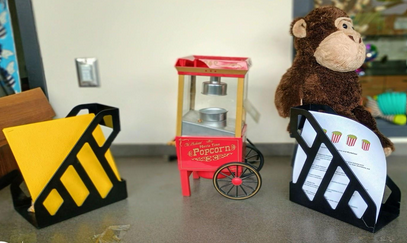
Popcorn station
Hot, freshly popped corn and a tactile timeline of popcorn’s history—from indigenous roots to Cretors’ 1893 World’s Fair machine!
Fun fact: The smell of hot popcorn popping in a machine is designed to grab attention and trigger happy memories, which is why you’ll often see (and smell!) one at fun events like carnivals, movie nights, or classroom celebrations.
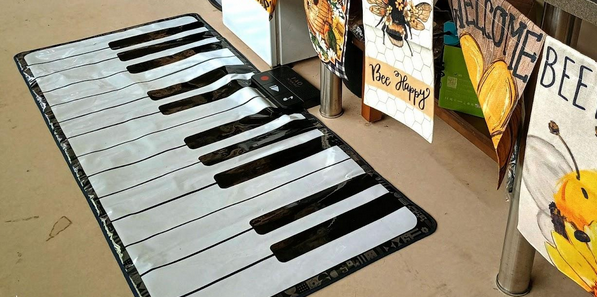
Dancing piano mat
No shoes required! Students danced to music by stepping on tactile piano keys—building proprioception, rhythm, and motor skills.
Fun Fact: For students who are blind or visually impaired, the piano mat offers a fun way to feel sound through movement and connect body motion with musical notes—just like dancing on a real instrument!
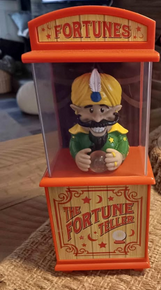
Fortune teller toy bank
Add a coin, ask a question, and hear a silly prediction. It’s playful, mysterious, and doubles as a money skills activity. I had a student man this station to perform the role of the “Fortune Teller Assistant.”
Prize table
Students who participated in games won fun tactile prizes, including:
- Stuffed animals (cats, dogs, bears, frogs)
- Unicorn purses and bead necklaces
- Fidget toys, glow sticks, and musical prizes
- Sunglasses, sequin donuts, tennis balls, and more!
Final thought
The Miniature Carnival in the Horticulture Room was more than an event, it was a joyful experiment in student-centered design, imagination, and accessibility. I proved that amusement parks and horticulture can share the same space, where seeds of learning and fun can both grow. We hope the experience brought as much happiness to your students as it did to me creating it.
I’d like to extend my appreciation to the Nutrition Services Department for their wonderful collaboration in making the Miniature Carnival in the Horticulture Room even more festive and enjoyable.
As part of the sensory experience, they provided fresh, hot popcorn—popped from a machine identical to the one featured in our display station—adding an authentic touch to the carnival atmosphere. In addition, they surprised our students with refreshing, cold snowballs, which were a big hit on a warm summer day.
Their thoughtful contributions helped bring joy to our students and made the event truly special. Thank you for supporting inclusive, multisensory learning experiences!