Know the child
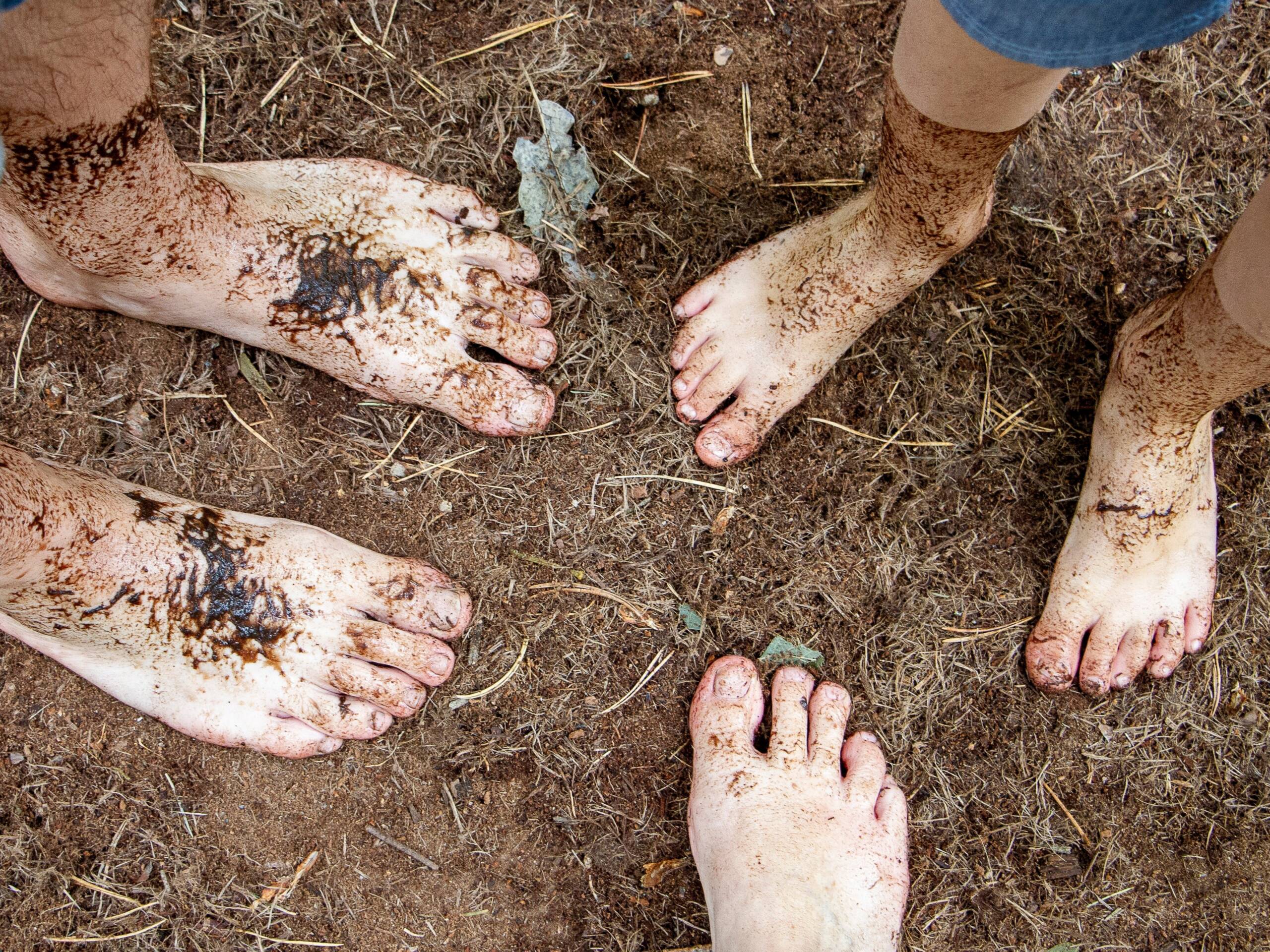
Sensory experiences are deeply personal. We all have unique comfort levels that dictate how we interact with the world. When it comes to the sense of touch, some individuals are sensory seekers, constantly exploring different textures, while others are sensory avoiders, finding certain sensations overwhelming or even painful. You might see this in a toddler who stays gleefully unbothered while covered in mud, compared to another child who cries the moment their fingers get dirty.
Students with visual impairments often experience these same variations, but with additional sensitivity factors. In the field of vision, we frequently use the term tactile defensiveness to describe a child who has a strong, often negative, physical or emotional reaction to touch.
What does it mean to be tactually defensive?
Understanding a child’s sensory profile is the first step in supporting them
- Sensory Seekers (Hyposensitive): These children often crave intense input. They may touch everything they see, enjoy messy play, or have a high tolerance for pain and temperature.
- Sensory Avoiders (Hypersensitive): These children may experience tactile defensiveness. Simple sensations like clothing tags, sticky textures, or unexpected light touches can trigger a “fight-or-flight” response.
- Fluctuating Profiles: It is common for a child to be a seeker in one environment but avoidant in another, depending on their stress levels or the specific situation.
By recognizing that these reactions are neurological rather than behavioral, we can better adapt our environments to help every child feel safe and ready to learn.
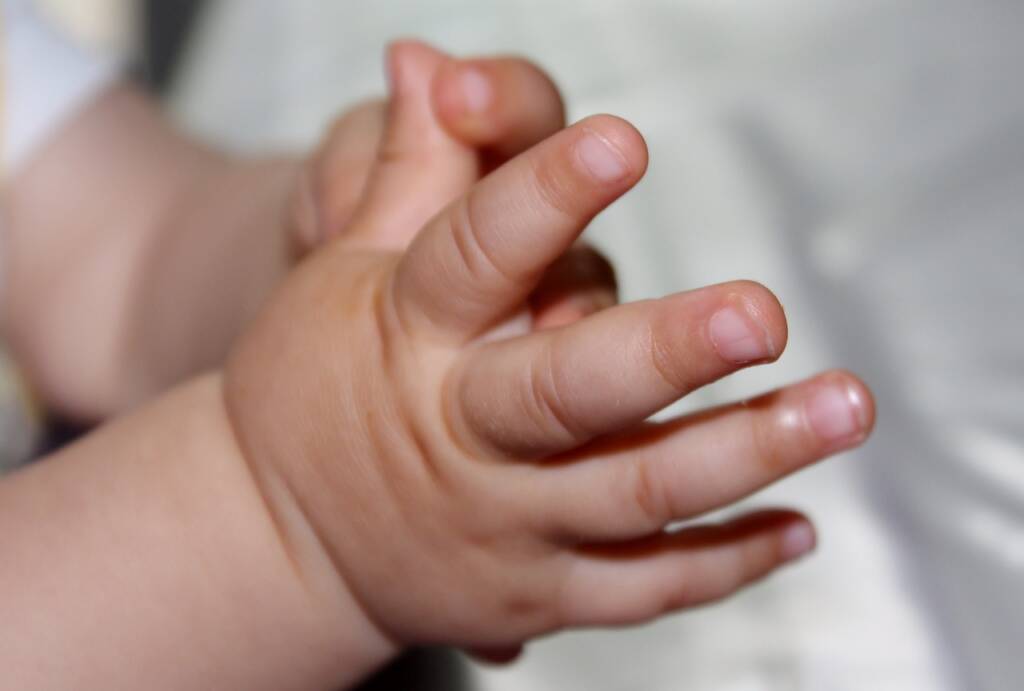
As we create the experience of exploring the dirt, mud, or sand the important part is to know each child’s comfort level and meet them where they are at to create a positive experience that will lead to a baseline for more activities that stretch their comfort zones.
Ask an OT
Occupational therapy for children focuses on helping kids achieve developmental milestones and improve their ability to perform everyday activities, also called “occupations,” which include selfcare, play, learning, and social interactions.
Pediatric OTs use play, exercises, and adaptive strategies to support children in developing fine motor skills, sensory processing, coordination, self-regulation, and cognitive abilities. What is a pediatric OT?
TVIs (teacher of students with visual impairments) often work closely with occupational therapists to develop best practice and goals for students. They often have wonderful sensory activities and tips to incorporate into learning experiences.
Hand-under-hand
We often hear the term “hand-under-hand.” When used effectively, the hand-under-hand technique provides respectful, tactile support to encourage children to interact. Starting out small by encouraging just a small touch with materials that include dirt and sand is a great place to start without being too overwhelming.
Hand-under-hand technique NCDB practice guide
Introducing the experience
If you are not certain how the child will react to sand and dirt play, start small. A theme box placed next to them to explore is ideal. Model what to do with a variety of different ways to play or if peers are around, have them join in the fun.
Sand
I have heard parents talk about how the beach was a very difficult place to take their child with complex needs. Being prepared can ease the stress. Having activities and personal story book/box about an upcoming event like a trip to the beach can help.
- Providing direct experience to develop concepts
- Hooray for Summer – Sensory Play That Makes a SPLASH!
Providing some shade, an enclosed space (pop up tent), less people, and not initially being right next to the water can reduce sensory overload. Using a large blanket can also help so the child isn’t exposed to the sand completely.
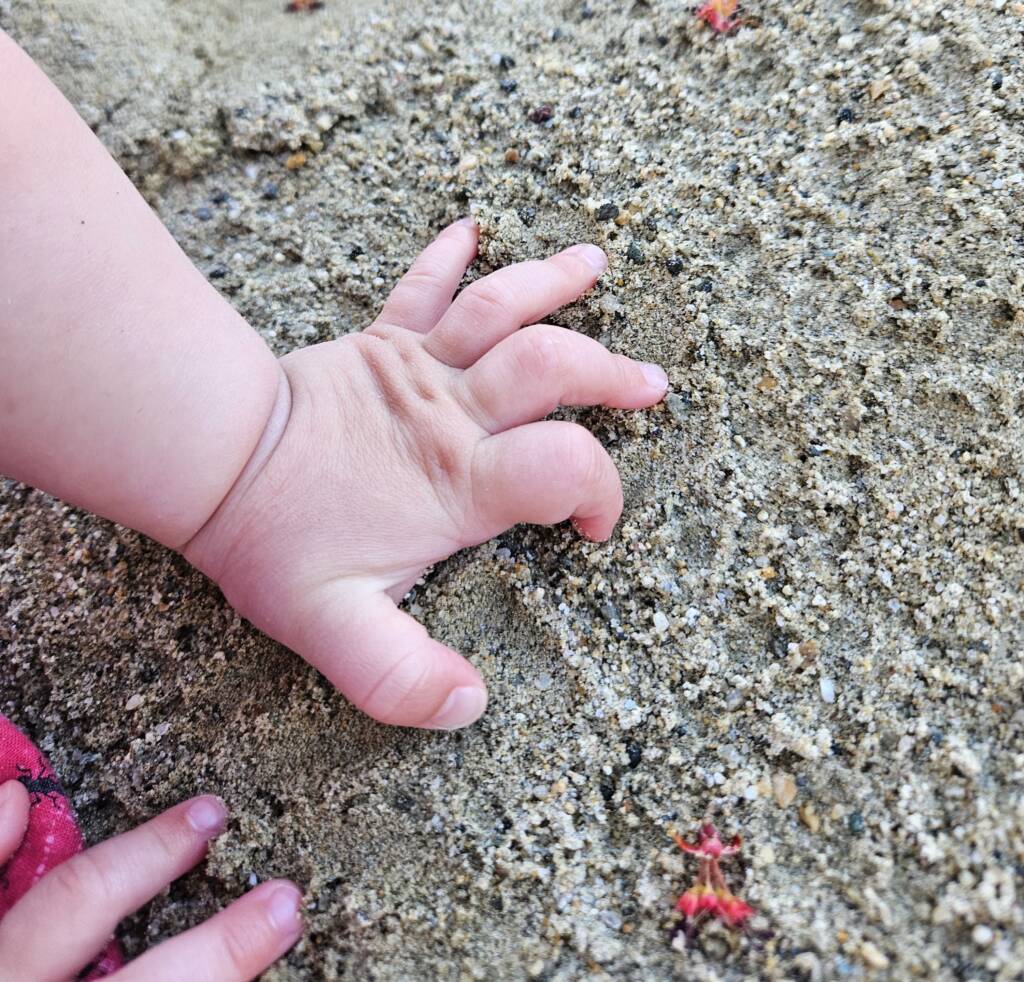
Fun ways to play in the sand…depending on the comfort level
- Feet and hand prints
- Sand pies and cakes: using old kitchen items, shovels, and seashells
- Sandcastles: use molds, or just your hands to create a tower castle with a moat around it
- Drawing in the sand (with a stick or your finger): hearts, smiley faces and names
- Treasure hunt by digging in the sand (hide some gems and shells!)
Dirt and mud
It has been reported that laying in the dirt is beneficial for children because it strengthens their immune system through exposure to microbes, improves mental health by reducing anxiety, and boosts physical development through sensory play and gross motor activities. Embracing this messy play acts as a natural, grounding experience that fosters creativity and resilience.
Creating positive experiences in the dirt helps to create a sense of love for nature. Planting seeds and plants in a garden, even in a tiny pot indoors, can help children learn about the outdoors and how things grow.
As already discussed, make sure you are aware of the child’s tolerance level before you dive into a dirt/mud activity. Most can be adapted with bins/trays if needed.
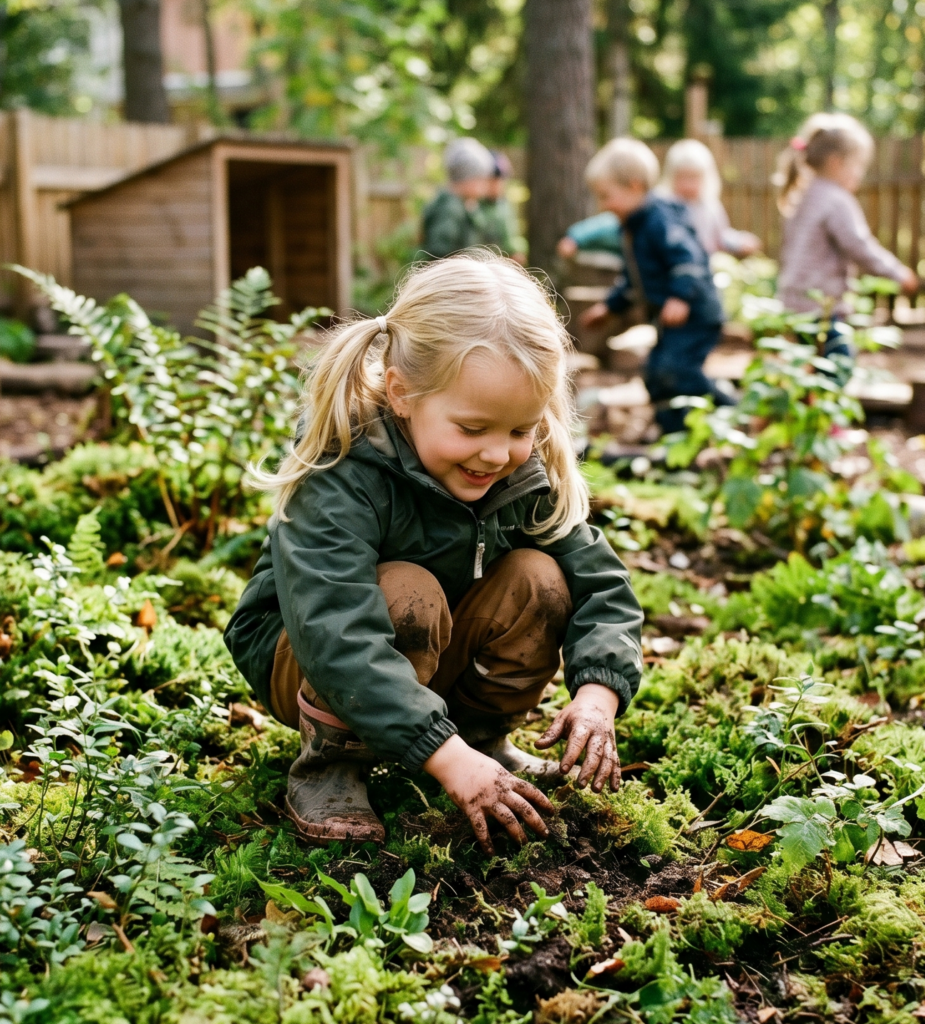
Here are a few ideas for getting messy in the dirt
- Bake Mud Pies: Use old baking pans, spoons, and measuring cups
- Construct a Mud Brick Castle: Mix soil with water and a bit of straw or grass, then shape it into bricks using ice cube trays or silicone molds
- Create Mud Paintings: Mix dirt with water to create natural “paint”. Use paintbrushes or your fingers to create muddy masterpieces on heavy paper or a large flat rock
- Build a Dinosaur Swamp: Add toy dinosaurs, twigs, and big leaves to a shallow tray or patch of mud to create a miniature Jurassic swamp
- Dig a Muddy River: Dig winding trenches in the dirt with a shovel and pour in buckets of water to create a flowing mud river or canal
- Excavate Toy Fossils: Hide plastic bugs, coins, or dinosaur bones in a bucket of mud and have kids dig them out using spoons, brushes, and trowels
- Roll Seed Balls: Combine soil, compost, water, and native wildflower seeds to roll into small balls. Dry them out or toss them into a sunny, unplanted area to grow flowers.