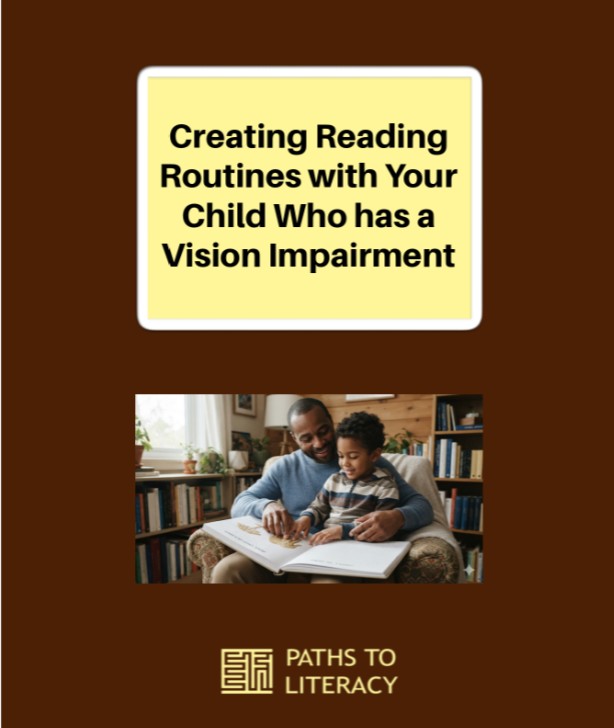

Some of my favorite memories with each of my three children, who are now adults, are the time we spent together reading. Each child had different favorite books and interests but all enjoyed being read to as a child. For us it could be at different times of the day, but always at bedtime just us together reading and having a snuggle before we go to sleep. They usually preferred one-on-one reading and would read individually (depending if they could read yet) until it was their turn. As a TVI (teacher of the visually impaired) it is a privilege to help create these same special experiences with other families.
Having a child with a vision impairment, that may include other complex needs, may create some added concerns when developing reading routines in the home. As a parent, you may feel uncertain about your level of understanding of their literacy needs.
As each child has their own unique personality, you are the expert of your child. Discovering best practice for success doesn’t have to mean becoming an expert in the field of literacy for the blind and visually impaired. It means creating a space and time with your child that promotes positive memories of reading together.
I came across the helpful article: Fall in Love with Reading: Ten Simple Things You Can Do at Home which helps remind us of what we want to create in our home.
Below is a more specific guide:
10 Tips to introduce reading to a young child who is blind or visually impaired
Reading spaces
Sensory issues can play a major role in creating a positive reading experience. The needs can change depending on the time of day, health, prior activities, noises (like a lawn mower outside or even the heating system turning on) all affect the time together.
Having a comfortable space together that doesn’t involve other skills you are trying to work on at the time is best. Having them practice holding up their head or in a stander may not be the best time to relax with a book together. Some of my students do enjoy listening to a book at that time but some get frustrated and would rather have a favorite toy.
Start with a quiet area that helps them focus on just the reading experience. Some classrooms set up a pop-up tent, reading book nook, a mat with bean bags and a soft blanket. Often the PT (physical therapist) can help with best positions and equipment if you need support. If there is competing sounds like a TV, pets, or other people in the area, then your child may not be as engaged.
Lighting plays a huge role for many students with visual impairments. Bright glare from windows can distract or limit visual input. Overhead lighting can help or hinder. Asking your TVI (teacher of students with visual impairments) what assessment and data collection findings they have found with your child can be collaborative and helps the entire team know best practice.
Active engagement in the activity can vary. What is the goal?
Do you want this to be a time of relaxation and listening? Or it may be a time of active learning where they are exploring the reading materials.
If they are touching the materials, they may not want to look. If they are listening, they may not want to touch. Know how your child uses this time and adapt.
Active Learning Space is a helpful website for engaging students in active learning.
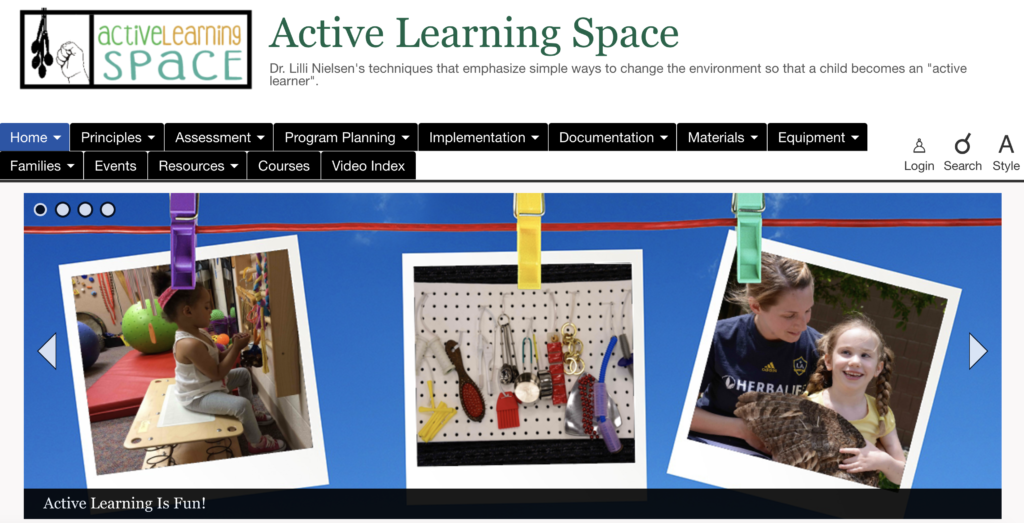
When you are overwhelmed or overly tired, this can create frustration for many activities. Try to be sensitive to what your child is expressing.
Braille readers
If your child is learning braille, get books that have both print and braille in them so you can read together. Ask your TVI for ideas on how to get a variety of books that interest them.
Auditory options
Sometimes it is nice to listen to stories together. Some audiobooks have different voices for characters that also include sounds. This also frees up more of your ability to provide props for your child if you have objects to share during the story.
Apps that support mobile literacy including audiobooks
Assistive technology and listening
Storyboxes
Storyboxes are kits that bring children’s books to life through a multisensory approach. They contain a specific storybook paired with related real world objects, tactile toys, and props. As a story is read aloud, children interact with the items to better understand the narrative and vocabulary. This does not have to be for just young children. Using books that are age appropriate can still have a storybox.
You Can Do It! Tips for Families Who Are Just Getting Started
- Tips for families to create tactile books and other literacy materials for young children who are blind or visually impaired, deafblind or who have multiple disabilities
Bringing Literacy to Life Through Storyboxes with a child who is blind or deafblind.
- These tips will help you get started bringing books to life for young children with visual impairments or multiple disabilities.
The Going to Bed Bookbox is a great tool when doing a calm bedtime routine. Incorporate objects that your child uses in their home each day to provide predicable routine.
The Great Expectations Program Helps Bring Picture Books to Life where each book is chosen for its unique theme and is supplemented with picture descriptions and free online activities to further explore concepts found within the stories.
Making it positive and enjoyable
Remember the goal of each reading opportunity with your child: to develop a love of literacy. Learning to read and reading to learn are very different. Provide room for both in your lives and make the memories with your child that you will forever cherish.