In this story the author, Kelly Bennett, reminds us about the pitfalls of making snap judgments about pets or people. It’s a tale about finding the good in something you didn’t know you wanted.
Visit Kathy Robert’s website. She created a common core standards aligned activity guide for grades PK-3. I referred to it before creating my lesson.
Lesson Overview
- Objective: Students will explore the theme of changing expectations and friendship through touch, sound, and active storytelling.
- Materials:
- Braille, large-print book copy (I made my own braille copy)
- Plastic bowl with water
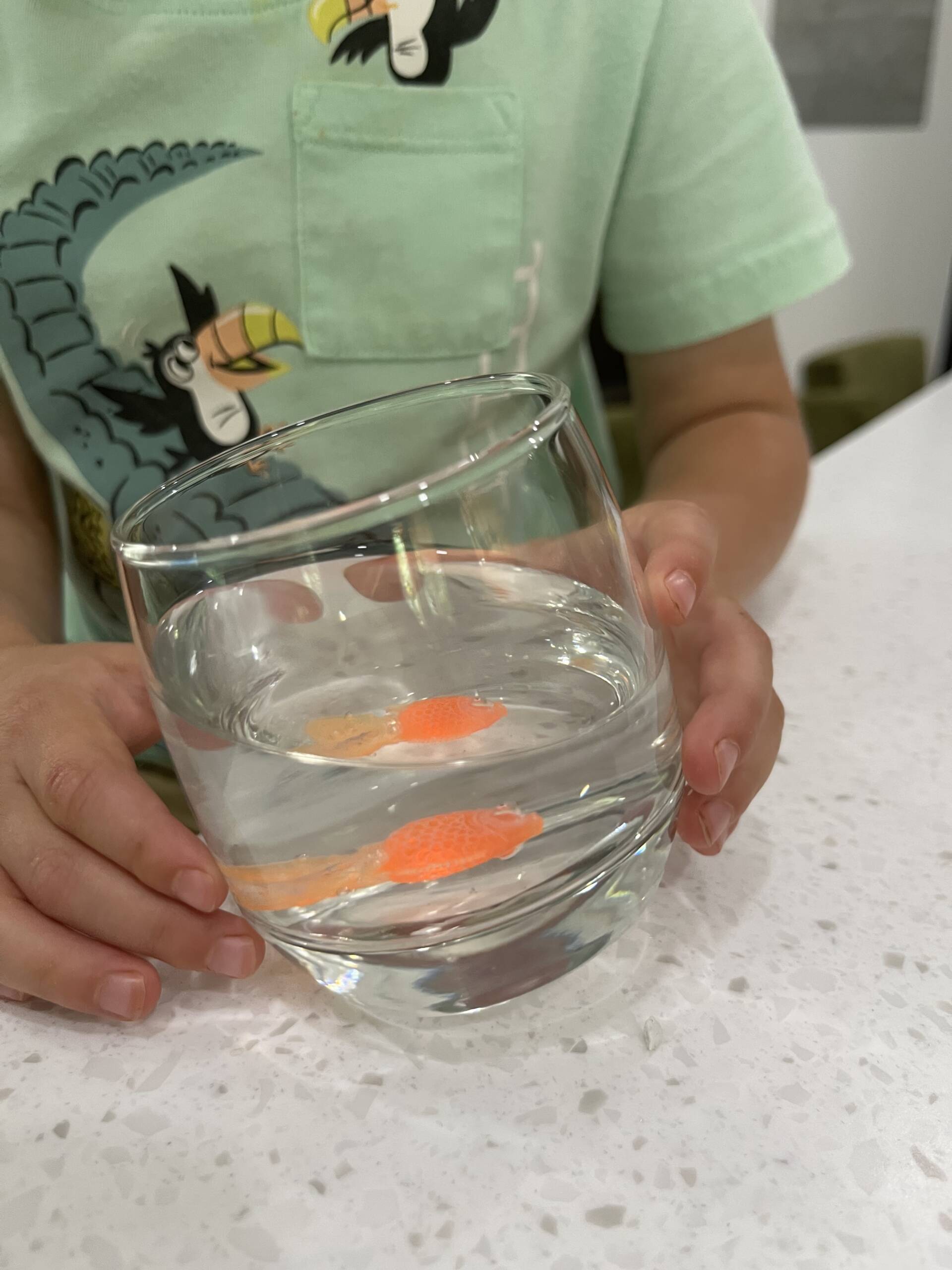
- Smooth plastic/silicone toy fish
- Bell or chime
- Small piece of faux fur or a stuffed animal
- Audio sound effects of water bubbling
- Note: All of this could easily put into a story box unit with student specific materials.
Introduction
- Pass around a soft, fuzzy fabric piece or stuffed animal. Ask students what kind of pet it feels like (furry, warm). I like to do both!
- Explain that the main character in the story wanted a furry pet like this, but instead, he received a goldfish named Norman.
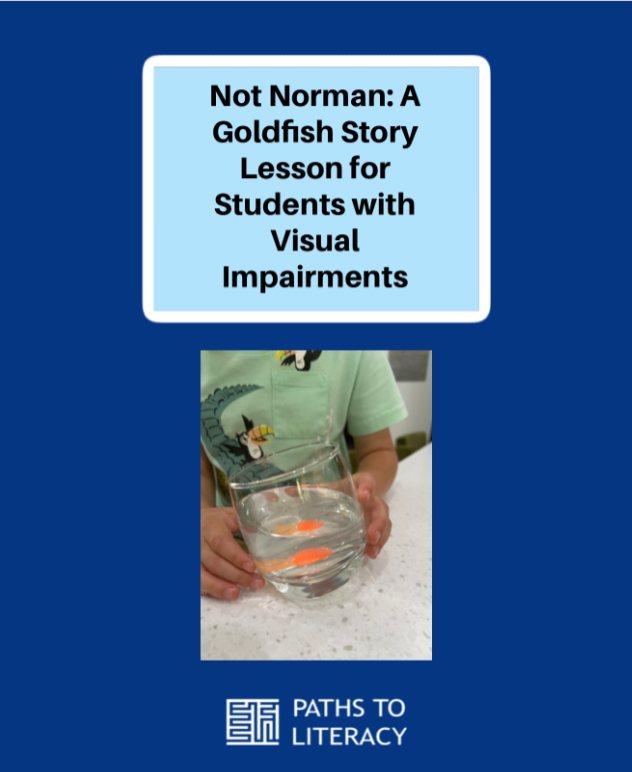
- Pass around a plastic bowl filled with water and a smooth toy fish or safe textured object. Let students feel the cool water and the shape of the fish.
Interactive Read-Aloud
- Read the story aloud, slowing down to emphasize sound words and action descriptions.
- Add sound cues: Ring a chime or tap a glass gently when Norman makes a splash or make a bubble sound on your phone or iPad.
- Let students touch the water bowl or re-explore the tactile fish whenever Norman does a new action in the story.
Guided Discussion and Expression
- Ask simple, direct questions about how the boy felt at the start versus the end of the story.
- Have students share or point to their tactile props while answering questions like:
Did Curtis want Norman at first?
What made Norman a good friend in the end?
- Let each student have the water bowl and answer a “Yes” or “No” question verbally or on their AAC device if they would like Norman as a pet. If able, have them discuss why. I often use the recordable AAC buttons for quick interactions and choice making. Always make sure you are working as a team, especially with their speech therapist.
This in the online version but I do this as an extension activity at a different time.
Extension
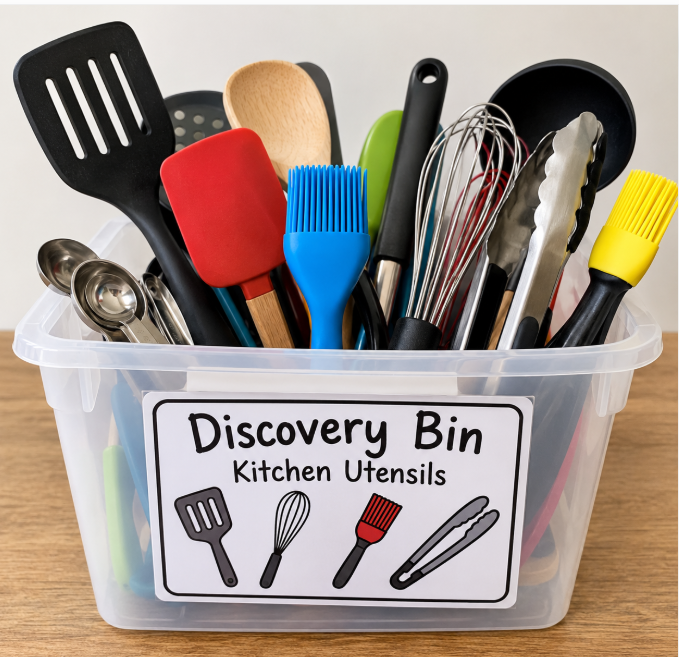
- Use plastic fish in a discovery center for counting, seek and find, and comparison activities with other animals.
- Have each child bring home their own pet fish by having them take a plastic fish home in a bag like you get when you win a goldfish at a carnival. This was inspired by teacher Maria Thompson, who I follow on Instagram. She is a first-grade teacher and author. mariathompsonautjor@gmail.com