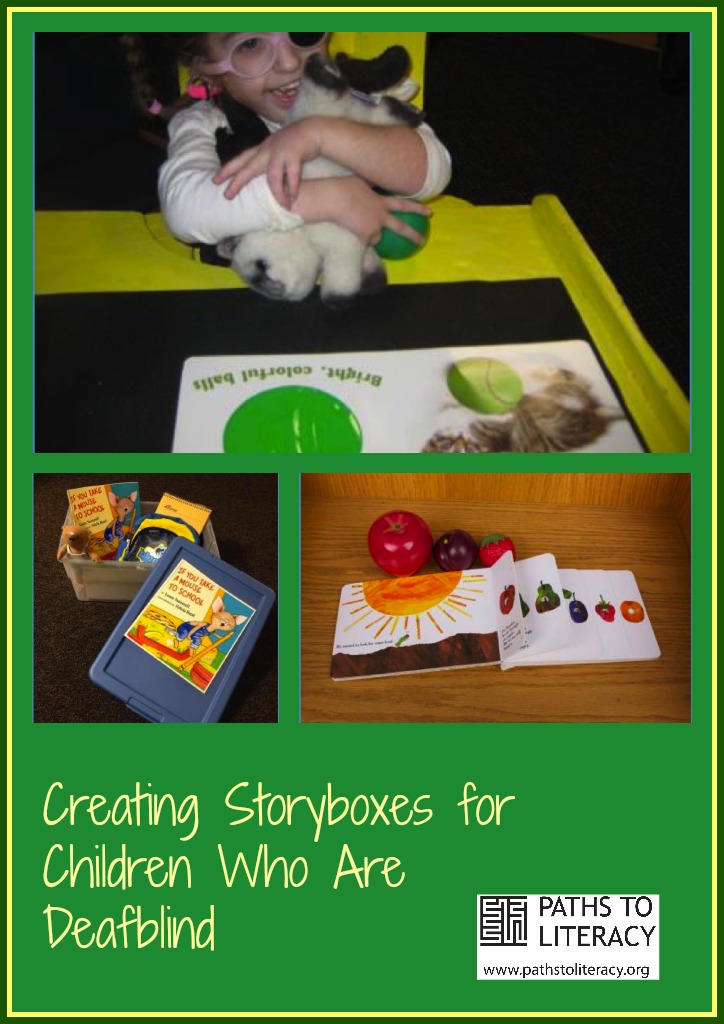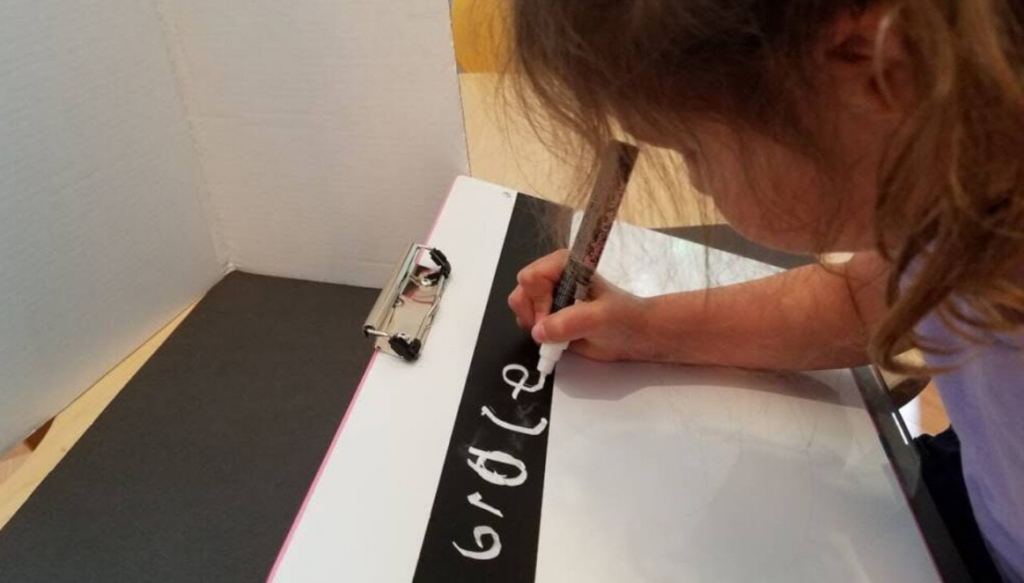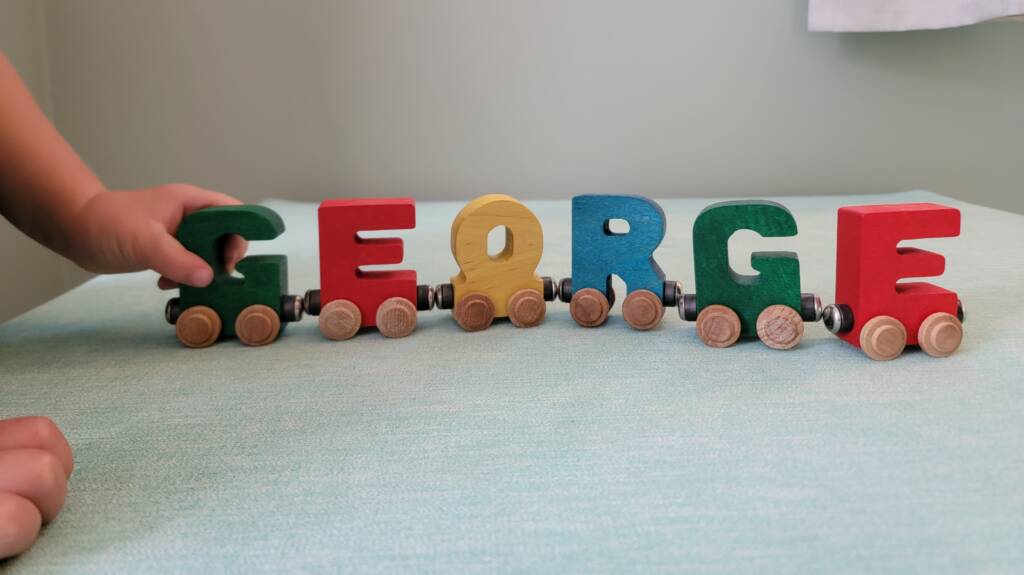
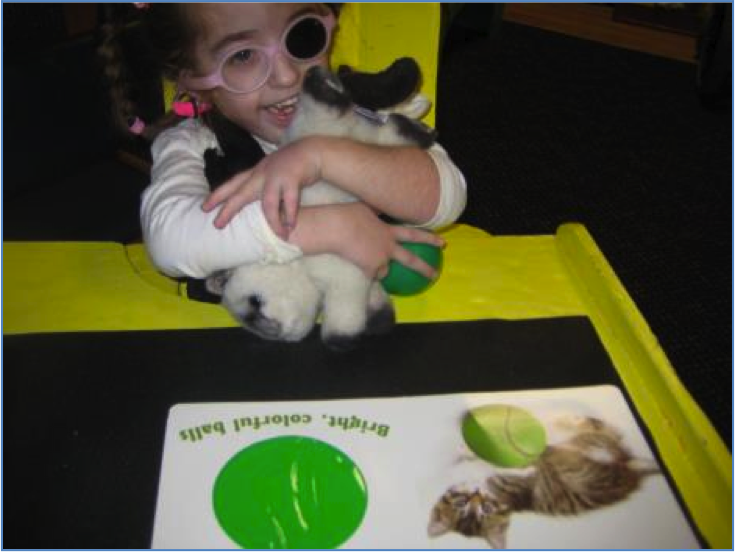
Adaptations for a child who has a combined vision and hearing loss will depend on many factors, such as the amount of vision and hearing the child has, age, cognitive abilities, motor skills, and personal interests. This post is the first of four parts presenting different aspects of literacy for students who are deafblind. Many of these techniques or strategies can be used with children with multiple disabilities or visual impairment as well. This particular blog focuses on Storyboxes.
A group of teachers in the Deafblind Program at Perkins School for the Blind presented an hour-long webinar on various aspects of literacy for children with deafblindness: Literacy Adaptations for Students Who Are Deafblind with Christa Hulburt, Ira Padhye, Megan Connaughton, and Marguerite Bilms.
Overview
Stay Tuned for more parts of Literacy Adaptations for Students Who Are Deafblind featuring:
- CVI and Adaptations for Literacy
- Adaptations for Total Deafblindness
- Teaching Strategies for moving towards a more traditional approach to literacy
What is Literacy?
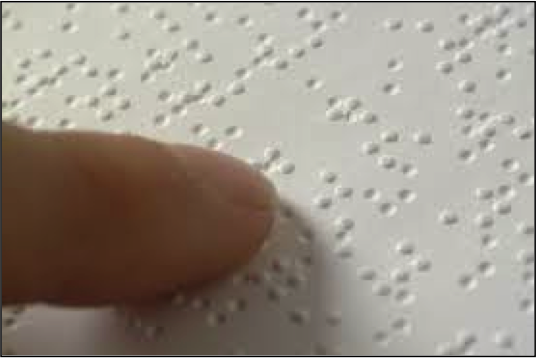

In addition to reading and writing print or braille, literacy also includes communication!
Where to Start?
Learning Media Assessment (LMA) – Assessment for selecting the appropriate literacy media for students with visual impairments. “Literacy media” refers to the way in which students access the general education curriculum.
Hierarchy of Communication
- object -> picture of object -> Mayer-Johnson -> Formal Written Word
- concrete -> abstract
Story Boxes & Adaptations for Literacy
by Megan Connaughton, M.Ed
Story Box Overview
- Pre-literacy
- Concrete -> abstract concepts
- Appropriate for students at different cognitive levels
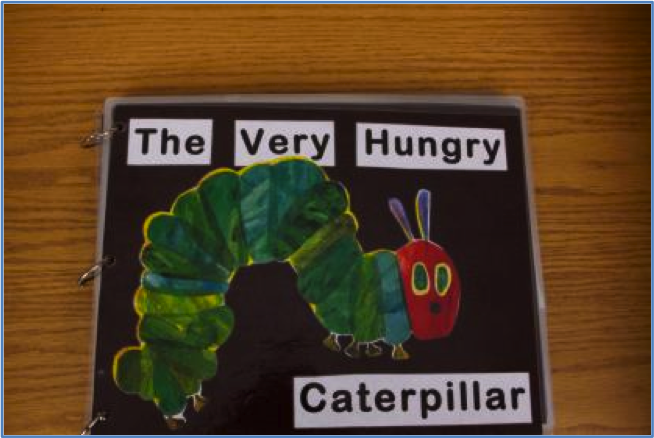
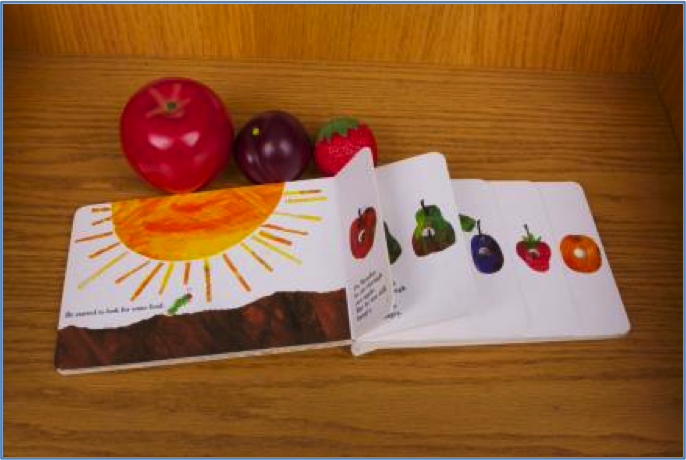
- How to create access for different learners
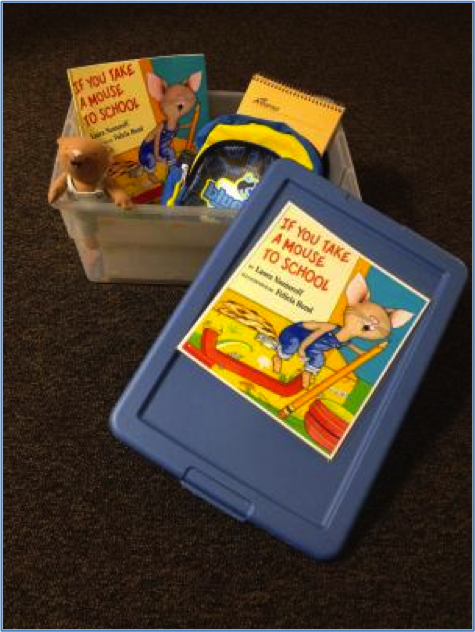
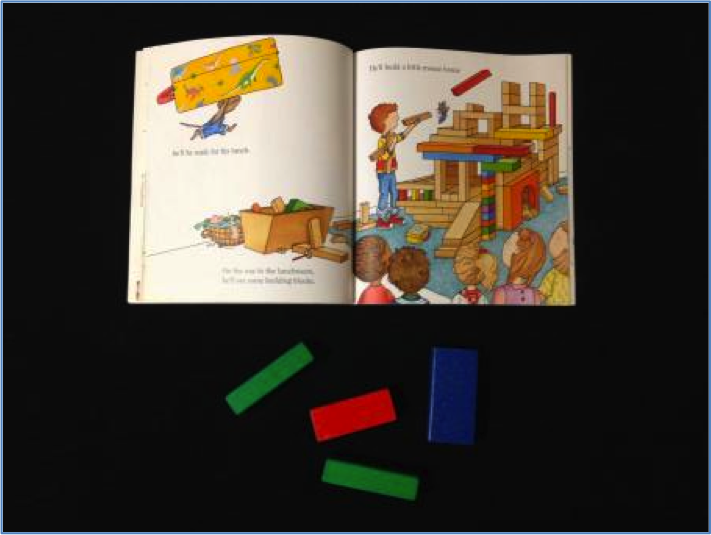
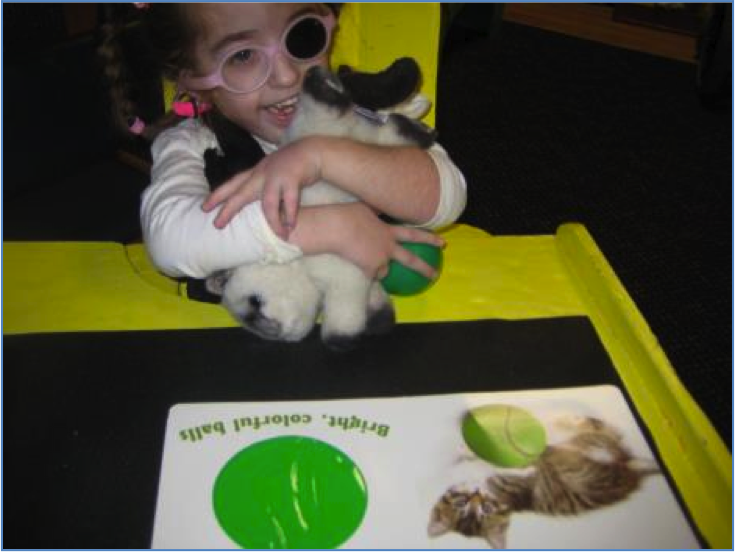
Why Use Story Boxes?
- Interaction
- Concrete examples
- Develop various concepts
- Fun and engaging!
Unique
- Story boxes should be unique to the student
- Age appropriate
- Reflect the student’s interests
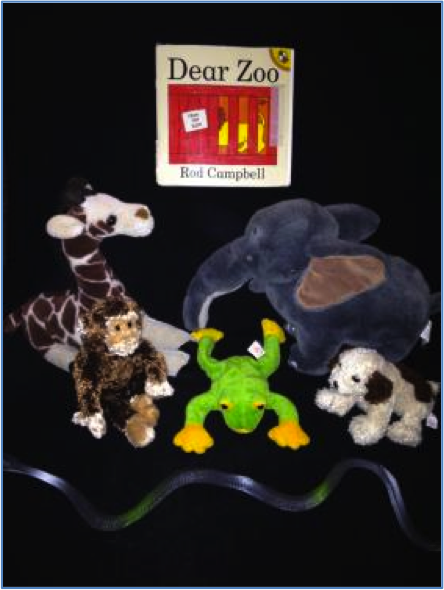
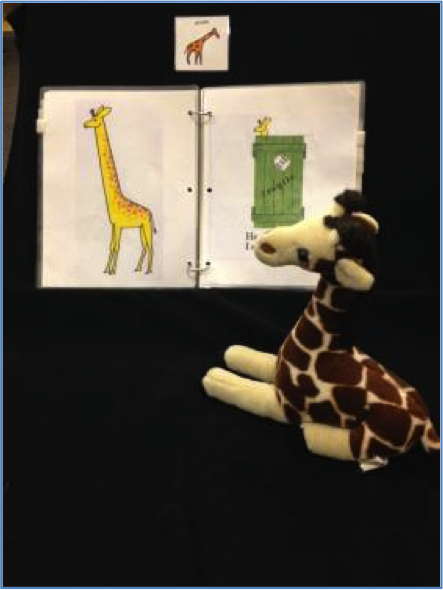
Concrete -> Abstract
- Unique to student’s level of communication
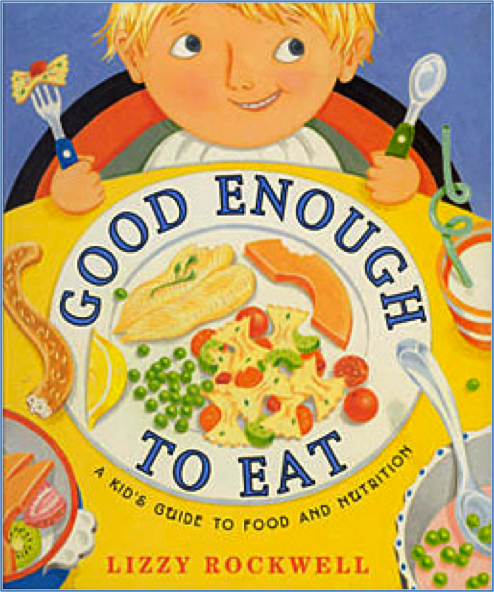
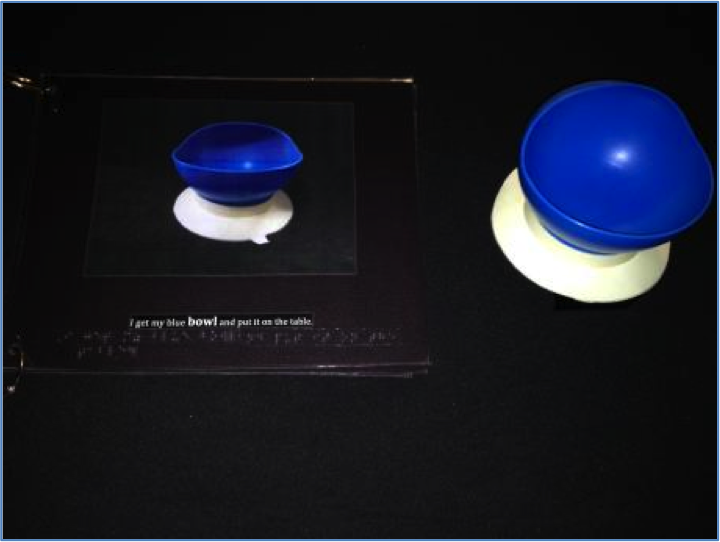
- Concrete: Real objects that are meaningful to the student
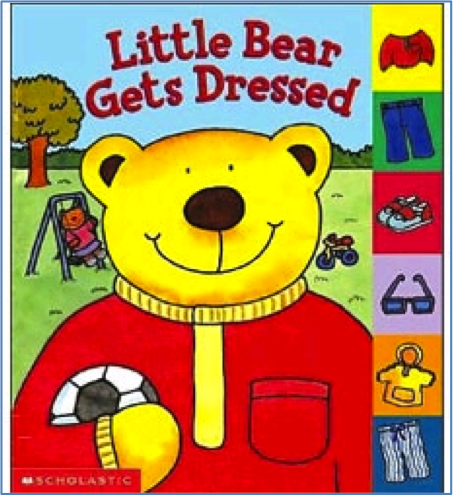
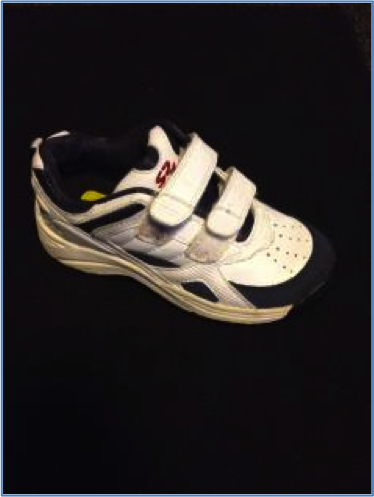
- Abstract – Represents another meaning
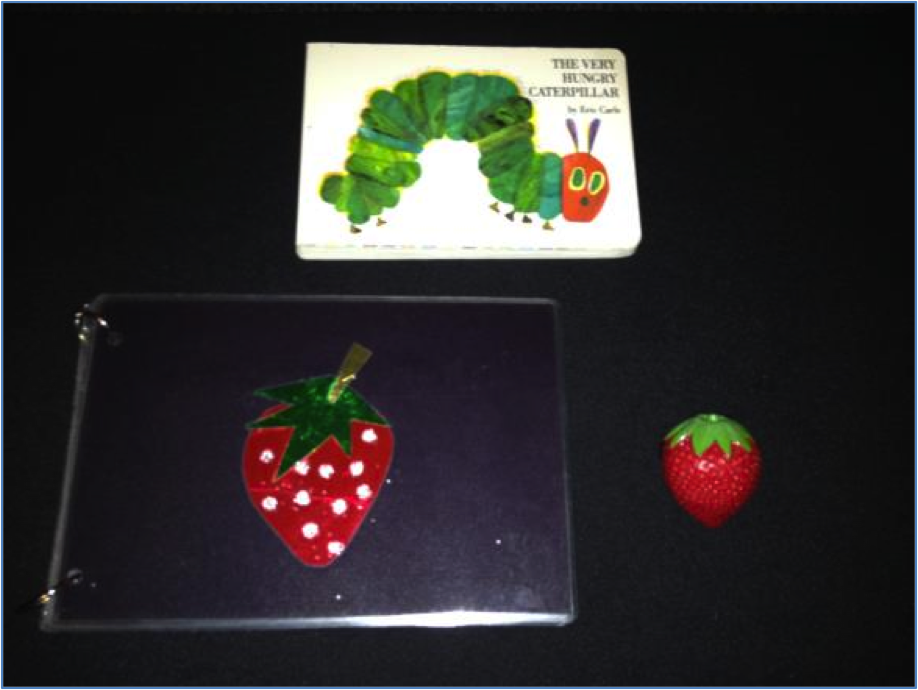
Concept vs. Abstract
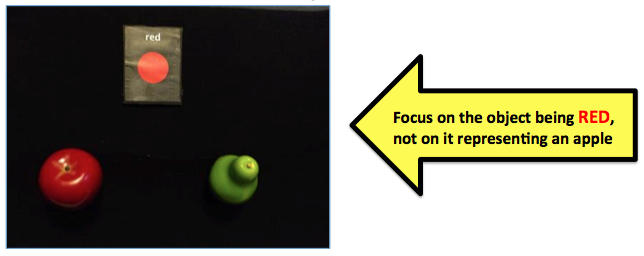
- A student who is not yet an abstract thinker can still use abstract objects in a story box
- Use to focus on concepts
For All Story Boxes
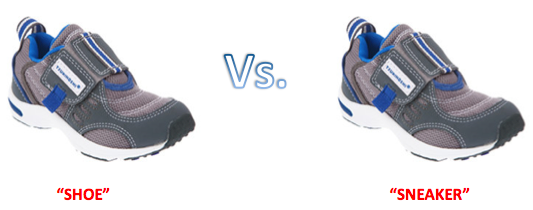
- Consistency of words and labels
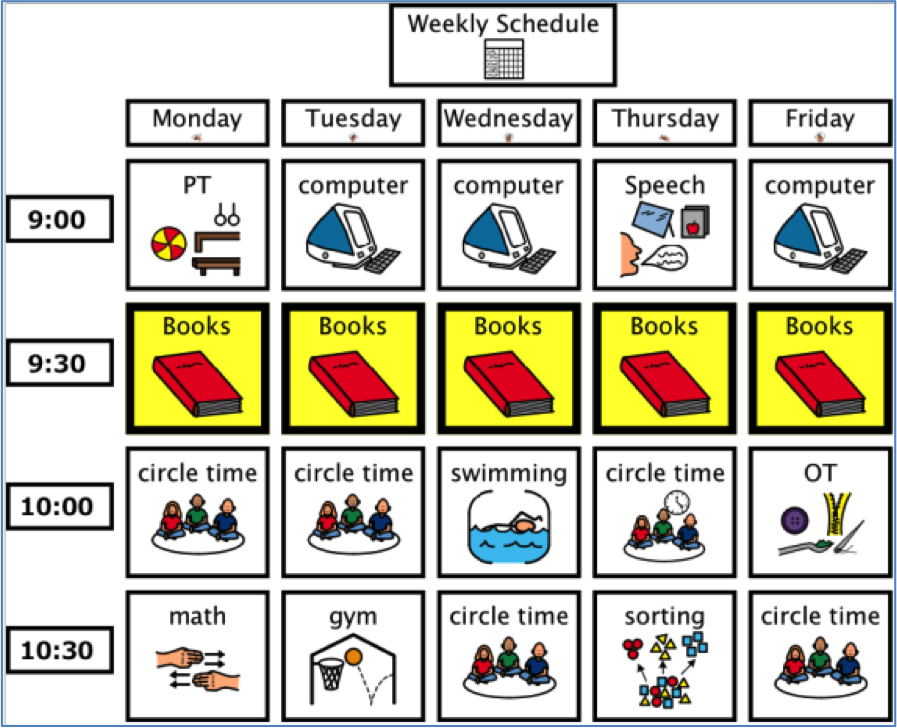
- Repeat Exposure
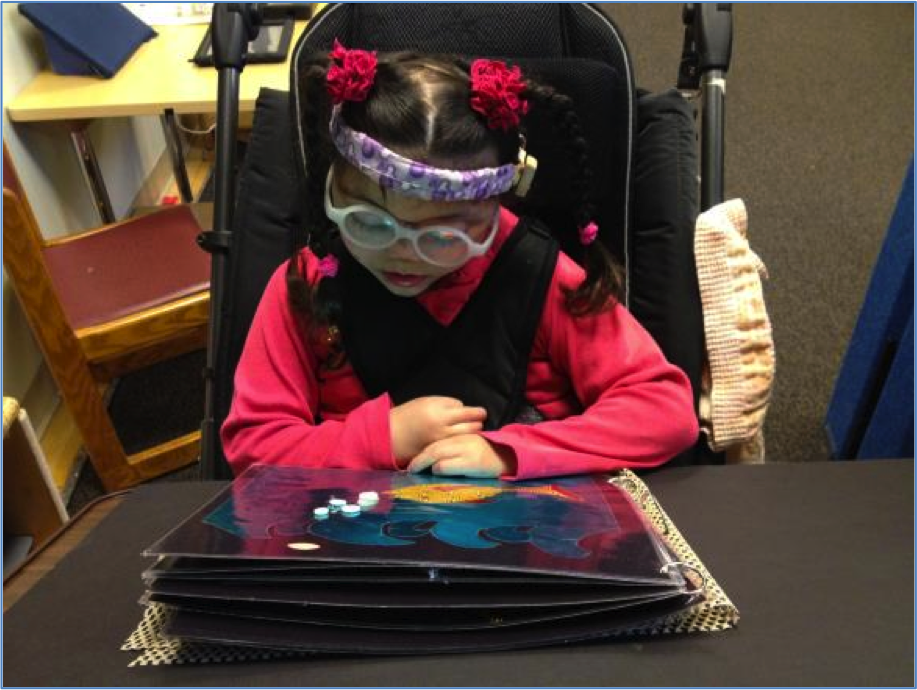
- Unique & engaging
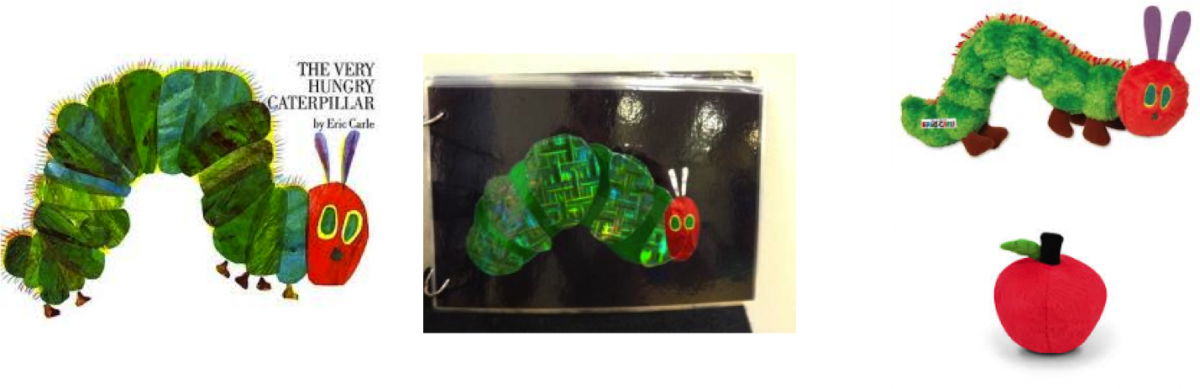
How to Create a Story Box
| Book Materials: |
- Paper (Black)
- Lamination
- Sheet Protectors
- Hole Puncher
- Rings
Pictures:
- Scanner
- Internet Search
- Personal Camera
- Draw it
- Cut out of Book
Objects:
- Donation
- Dollar Stores
- Craft Stores
- E-Bay
Remember … Have Fun!
References
http://www.pathstoliteracy.org/learning-media-assessment
Roman-Lantzy, C. (2007). Cortical Vision Impairment: An Approach to Assessment and Intervention. AFB Press.