
Activity plan: Pumpkin carving
Tactile learning, reducing tactile defensiveness and being tactically explorative
This hands-on activity introduces students who are blind or visually impaired to the art of pumpkin carving through a focus on tactile exploration, sensory integration, and positive touch experiences. The process should be methodical, introducing the whole pumpkin. Allowing children to explore, smell, and learn what makes a pumpkin a pumpkin.
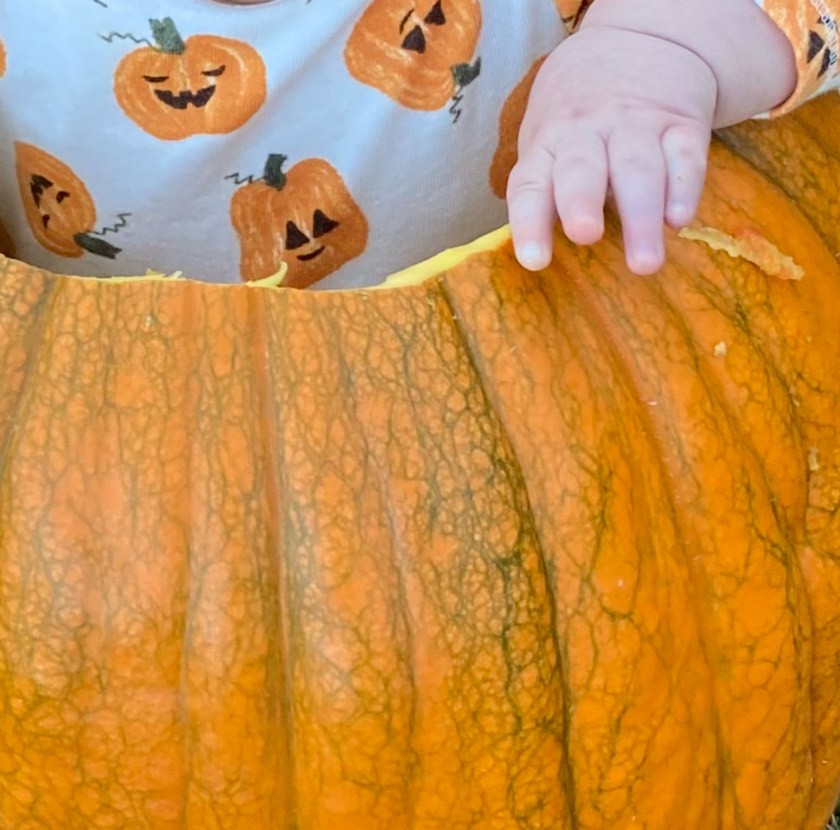
Then, carving tools will be introduced first in a safe, adaptive way, allowing students to participate in creating shapes or simple designs on the pumpkin surface. Throughout the process, emphasis is placed on using descriptive language (smooth, slimy, bumpy, rough). Students will engage with pumpkins from the outside in, or part to whole – beginning with feeling the unique textures of the rind, the stem, and the pumpkin’s natural grooves. With hand- under- hand support, they will explore the inside of the pumpkin, using their hands to scoop out seeds and fibrous strands, promoting desensitization and reducing tactile defensiveness.
By combining tactile engagement with creative expression, this activity fosters comfort with new textures, builds fine-motor confidence, and offers an inclusive seasonal tradition filled with sensory-rich discovery. While reinforcing part-to-whole teaching.
Differentiated instruction
This is an activity that incorporates tactile, visual and olfactory senses and gustatory. This activity is inclusive and can engage a variety of learners.
Prerequisite skills and/or concepts
- What is a pumpkin?
- Carving tool exploration and safety
- Fine motor skills, scooping, cutting, etc.
- Understanding of different textures
- Read a book about pumpkins
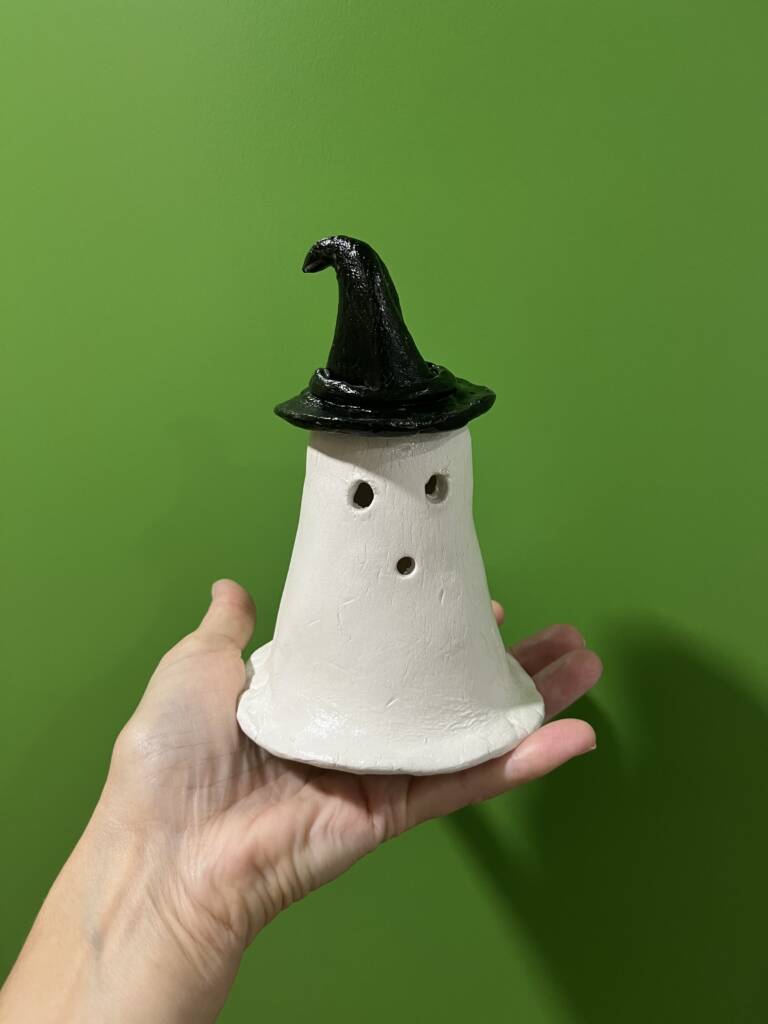
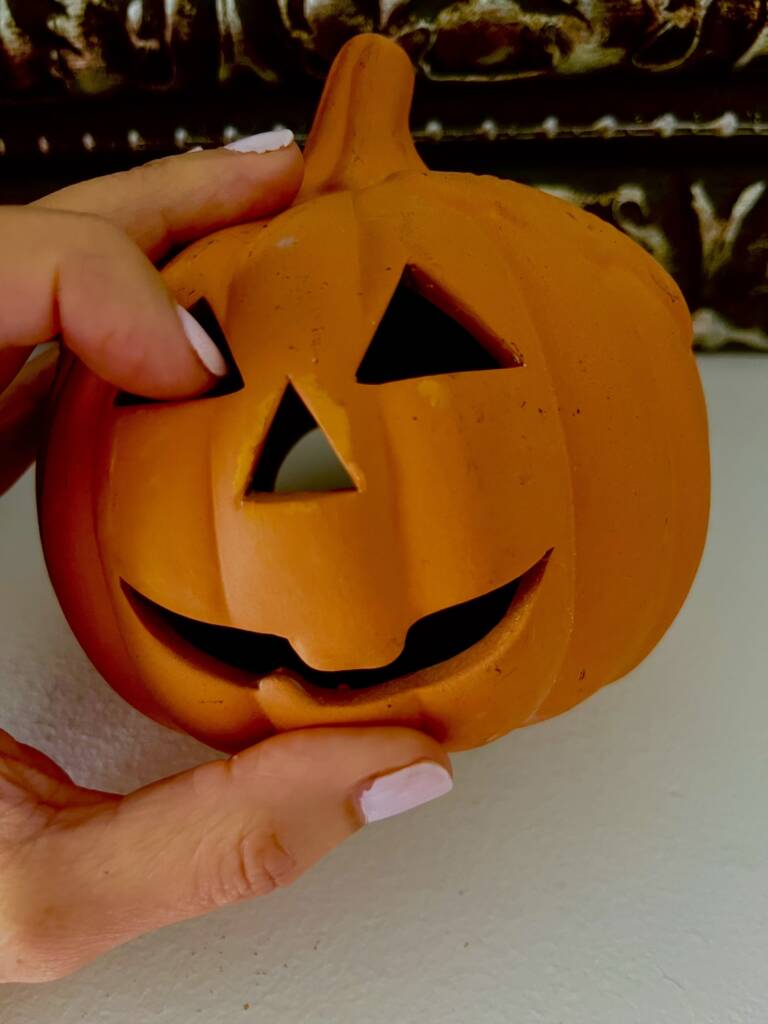
- Tactically explore a graphic or the APH Jack-O-Lantern
Materials used during lesson
- Tray
- Carving tools
- Pumpkin
- Cup for utensils
- Bowl – for seeds and pumpkin guts
- Puff paint
- Battery operated candle
Modifications
● Helpful tip! If your child is nervous to touch, allow each part of the pumpkin to be placed on their tray and allow independent exploration on their time.
● Allow children who may be tactically defensive with their hands the opportunity to touch with their toes!
● Adaptive knives and spoons- Check out this!
● Put down a black plastic table cloth to increase contrast
● Place carving utensils in a cup
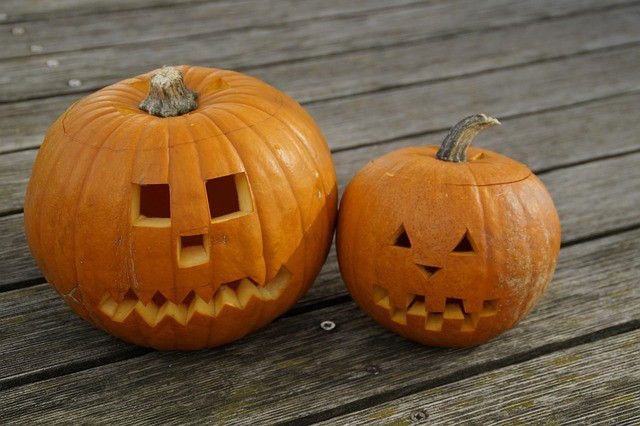
● Use quick try puff paint to create a tactile face to follow with the knife
Instructional procedures (step by step sequence)
- Gather all materials, place black table cloth on the table
- Place carving utensils in a cup
- Allow child to explore materials, use descriptive language to explain each tool
- Place pumpkin in front of the child and allow them to explore, using all their senses
- Using hand- under- hand, cut open the top of the pumpkin, and take the top, including stem, off
- Allow child to explore the inside of the pumpkin. Use hand- under- hand if the child is tactically defensive.
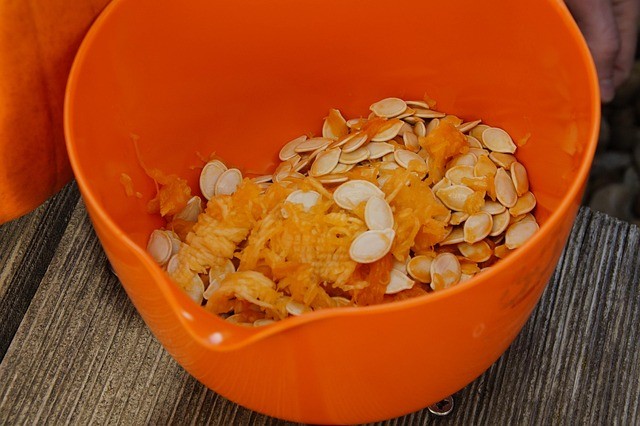
- Core out the pumpkin with the spoon, scooping out contents into a bowl
- Once cleaned out, begin to carve the face
- Show the child the tactile face allowing them to gain an understanding
- Then cut along the puff painted lines to create the face
- Once done, place a battery operated candle in the pumpkin and enjoy!
ECC extension activity: activity of daily living
Pumpkin seed snack- Bake pumpkin seeds harvested during the carving process, to create a tasty and yummy snack!