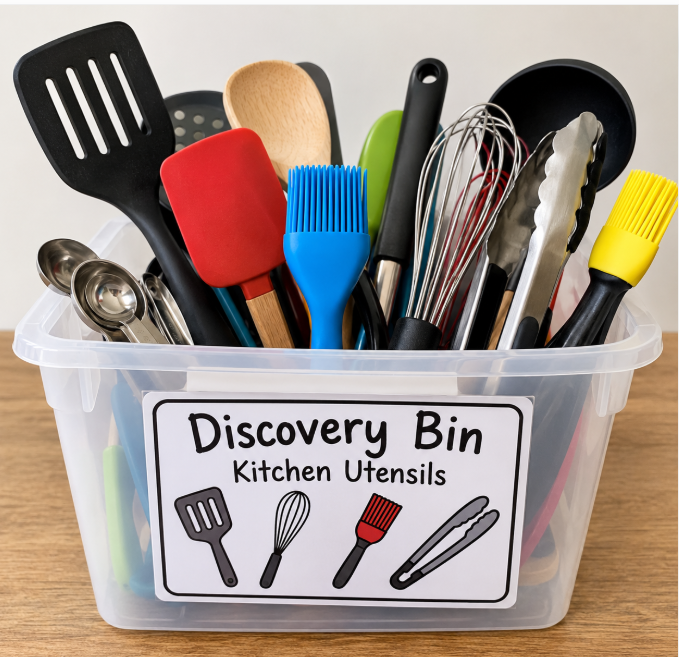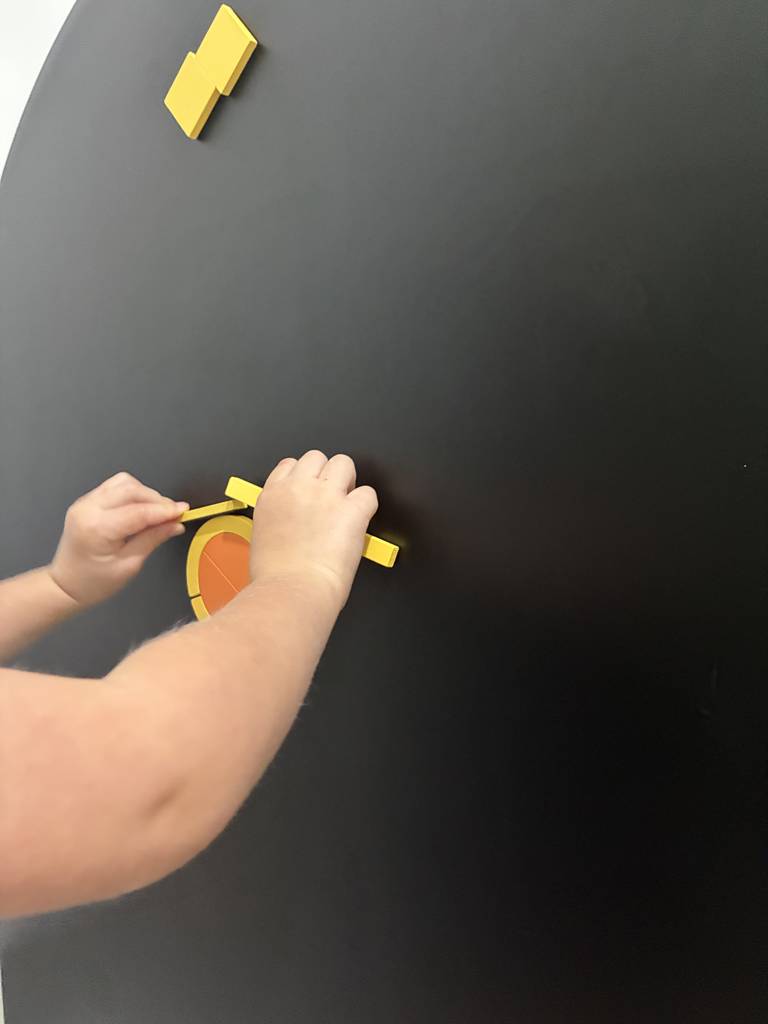

“Sensory Efficiency refers to how well an individual receives, transmits, and interprets information about people, objects, and events in the environment, using all sensory systems.” Learning is dependent on how one receives information from their 5 senses of taste, touch, hear, smell, and vision. Allman, Carol B., et al. ECC Essentials: Teaching the Expanded Core Curriculum to Students with Visual Impairments. APH Press, 2014.
I can use active listening to gather information or complete a task.
Know. Understand. Do.
A framework to guide learning activities
Know (K): Tends to be binary. Either you know it or you don’t. Examples: Facts &
Dates, Definitions, People & Places
Understand (U): Is a continuum; from novice to advanced. Examples: Big Ideas,
Essential Questions, Generalizations.
Do (D): Show they understand and the application of skills/content.
Resources
To submit for the monthly ECC Challenge
- Complete this month’s ECC Challenge Worksheet, noting which activities were completed.
- Submit this worksheet to the MSB Outreach ECC Challenge Form. Find the link on the TVI Portal, Eyes on Maryland Newsletter and the MSB website.
- Have families participate in the home challenge.
- Also available in SPANISH
Find the link on the TVI Portal, Eyes on Maryland Newsletter and the MSB website.
The student and teacher will be entered into this month’s raffle!